29.6 °C


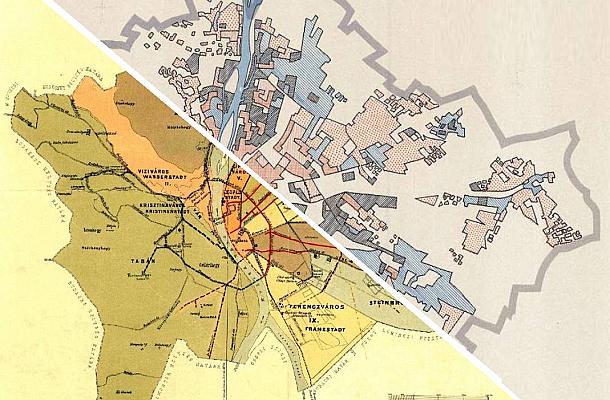
Budapest is celebrating 75 years since its major expansion in 1950. A new virtual exhibition by the Fővárosi Szabó Ervin Library lets you explore how small towns became part of the bustling capital.
Budapest’s history is full of fascinating milestones, and one of the most significant moments in the city's development was the second unification of the city in 1950. To mark the 75th anniversary of this pivotal event, the Fővárosi Szabó Ervin Könyvtár (Library of the Capital) has launched a virtual exhibition that takes visitors through the expansion of Budapest to include its outer districts. This thematic website offers a unique opportunity to explore the story behind the city's growth, its people, and the transformation it underwent in the 20th century.
The unification of Budapest in 1950 dramatically increased both the territory and the population of Hungary's capital. The city expanded to incorporate 23 surrounding villages and towns, making this event not just a political shift but a fundamental moment in the city's physical and cultural development. For many, this event represents Budapest's "second birth," a turning point that shaped its future as we know it today.

The port of Újpest in winter. Drawing by János Greguss in: Vasárnapi Ujság 1867. február 3. 53. p.
The virtual exhibition showcases a wide array of documents, images, and historical artifacts that illustrate the unification process. Visitors can explore the foundational documents from the time, including the text of the relevant law, urban planning proposals, and maps showing the planned city expansion. The exhibition delves into the history, social life, and distinctive characteristics of the newly added districts, providing a comprehensive view of how these areas developed over time.
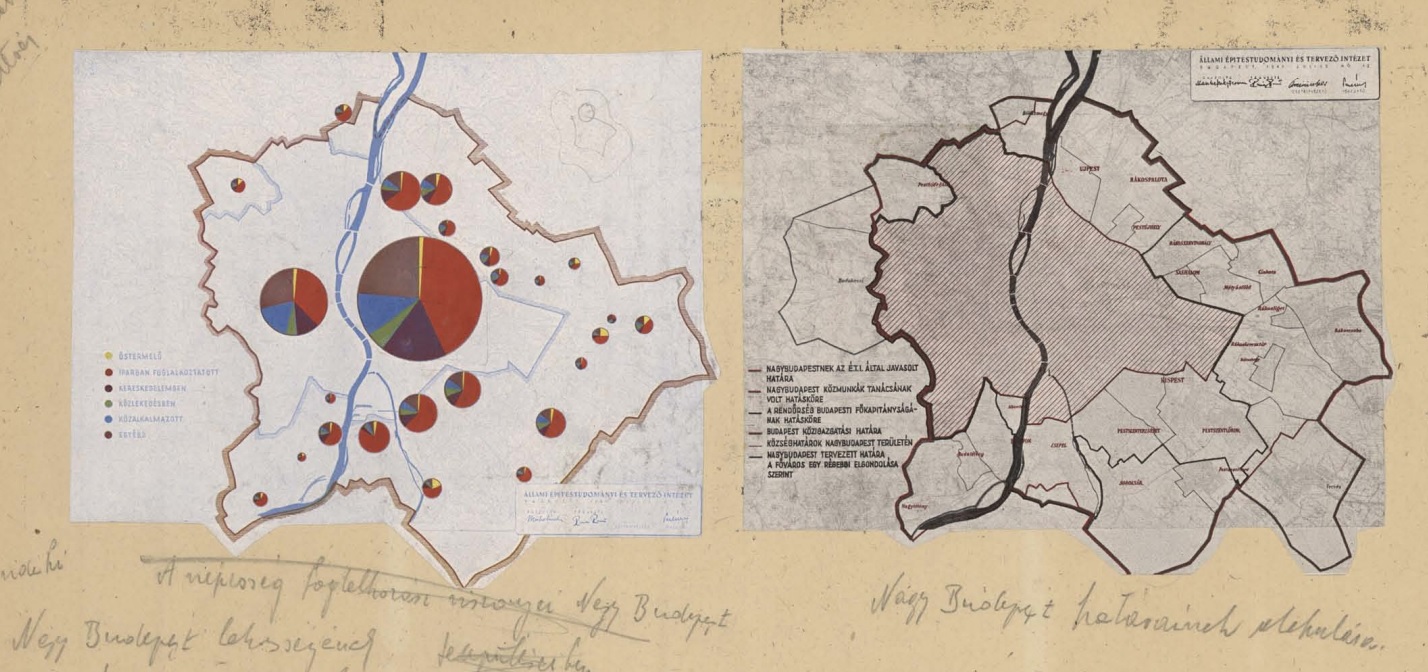
In total, the website features 330 digitized sources, including photographs, postcards, advertisements, stamps, and select articles from period newspapers. A standout feature of the exhibition is the inclusion of 20 detailed maps that reveal how city planners envisioned Budapest’s expanded borders during various planning phases.
One of the key highlights is the 1948 General Urban Planning of Greater Budapest, a unique document that was preserved by the library. This planning document was a gift from Gábor Preisich, the architect and head of the planning group, and it offers invaluable insight into how urban development was conceived in the years leading up to the unification.
Among the 23 towns incorporated into Budapest in 1950, four are given special attention in the exhibition due to their unique development paths. These districts exemplify different aspects of urban growth:
- Újpest: Once an independent industrial city, now an integral part of Budapest.
- Budafok: Known for its rich agricultural and winemaking history.
- Pesthidegkút: A small village that maintained a rural character despite its integration.
- Mátyásföld: A purposefully planned vacation area, reflecting the era’s focus on suburban leisure.

Each of these districts showcases a different chapter in Budapest’s development, highlighting the diversity and complexity of the city’s expansion.
The virtual exhibition is freely accessible online at www.fszek.hu/nagybudapest75, where visitors can explore the documents and learn more about Budapest's growth. All of the uploaded materials are available for free download and can be used publicly with appropriate attribution to FSZEK Budapest Gyűjtemény.
For history buffs, architecture enthusiasts, and anyone with a passion for Budapest’s rich cultural heritage, this virtual exhibition offers a captivating journey through time. Whether you're planning a visit to Budapest or are simply fascinated by the city's history, this digital archive is an essential resource for anyone interested in understanding the transformation of Hungary’s capital over the past 75 years.
Don’t miss the opportunity to explore this fascinating chapter of Budapest’s past. It’s a chance to see the city not just as it is today, but as it was in its formative years, growing into the vibrant metropolis that stands proudly on the banks of the Danube.
Photo credit: https://www.fszek.hu/nagybudapest75