27.9 °C


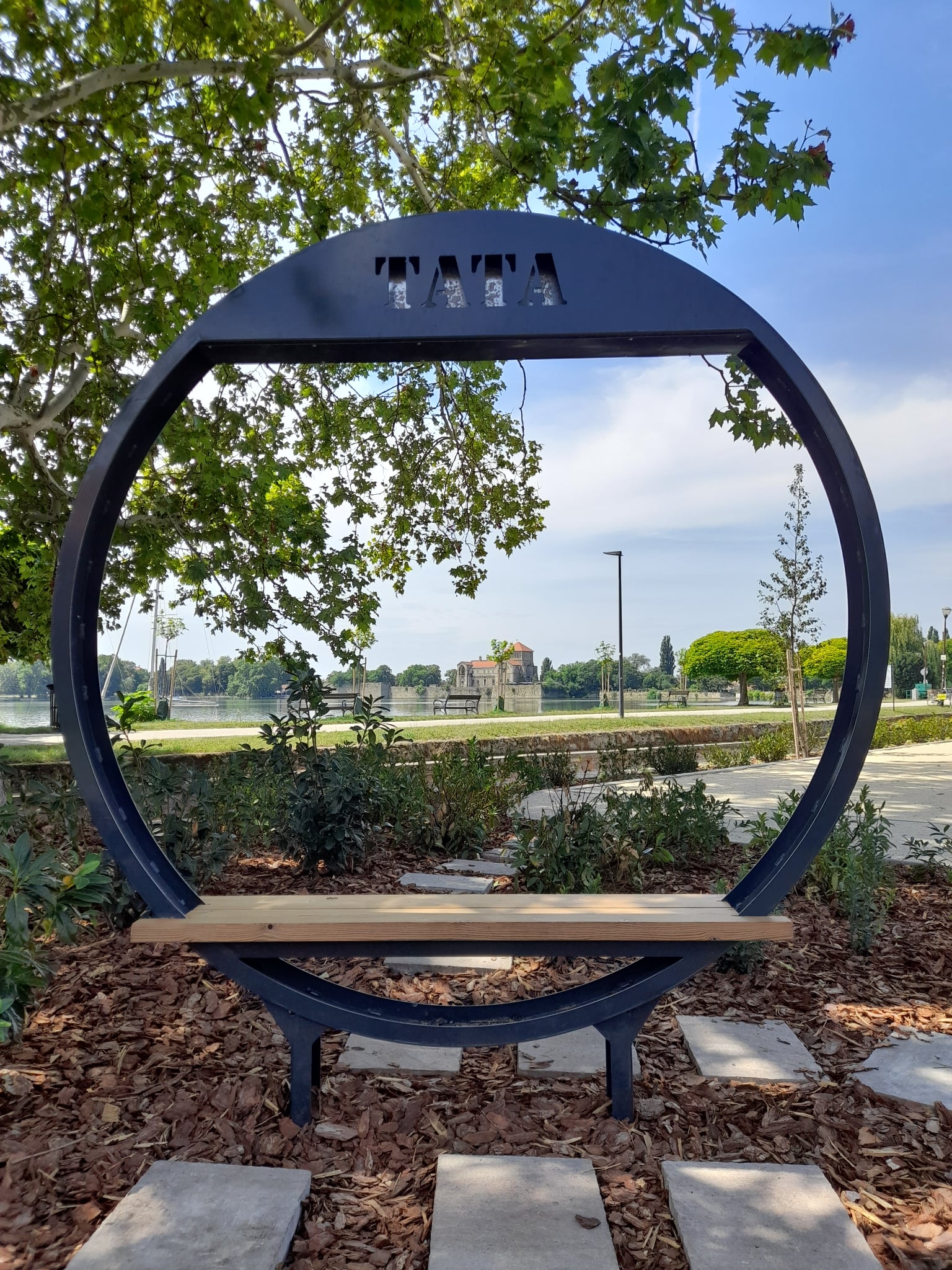
In our series of one-day trips from Budapest, we visit Tata, a charming lakeside town of castles, gardens and natural wonders. With its beautiful Old Lake and historic sights, Tata is an easy escape from the capital.
Just over an hour from Budapest, the small town of Tata offers a very different experience from the capital. Known as the “City of Waters,” Tata is dotted by lakes, springs and green spaces, while its historic center is dominated by a medieval castle and elegant aristocratic buildings. It makes an excellent day trip for anyone looking to combine history, architecture and nature in a single destination.
Tata lies at the foot of the Gerecse Hills, between the Vértes and Gerecse ranges. Its most famous landmark is the castle on the shore of the Old Lake, but there is much more to discover: an elegant Esterházy palace, one of Hungary's oldest English-style gardens, picturesque lakeside walks and the remarkable Fényes Educational Trail, built above a spring-fed marsh.
Getting there
Tata is around 70–80 kilometers from central Budapest and is easily accessible by car or train. Trains run frequently from Budapest-Déli and Kelenföld stations towards Tata, with the fastest services taking 41 minutes and typical journeys taking around an hour.
By car, the journey takes roughly an hour via the M1 motorway (towards Vienna), making Tata particularly convenient for visitors who want to explore several attractions outside the town center as well.
Tata Castle
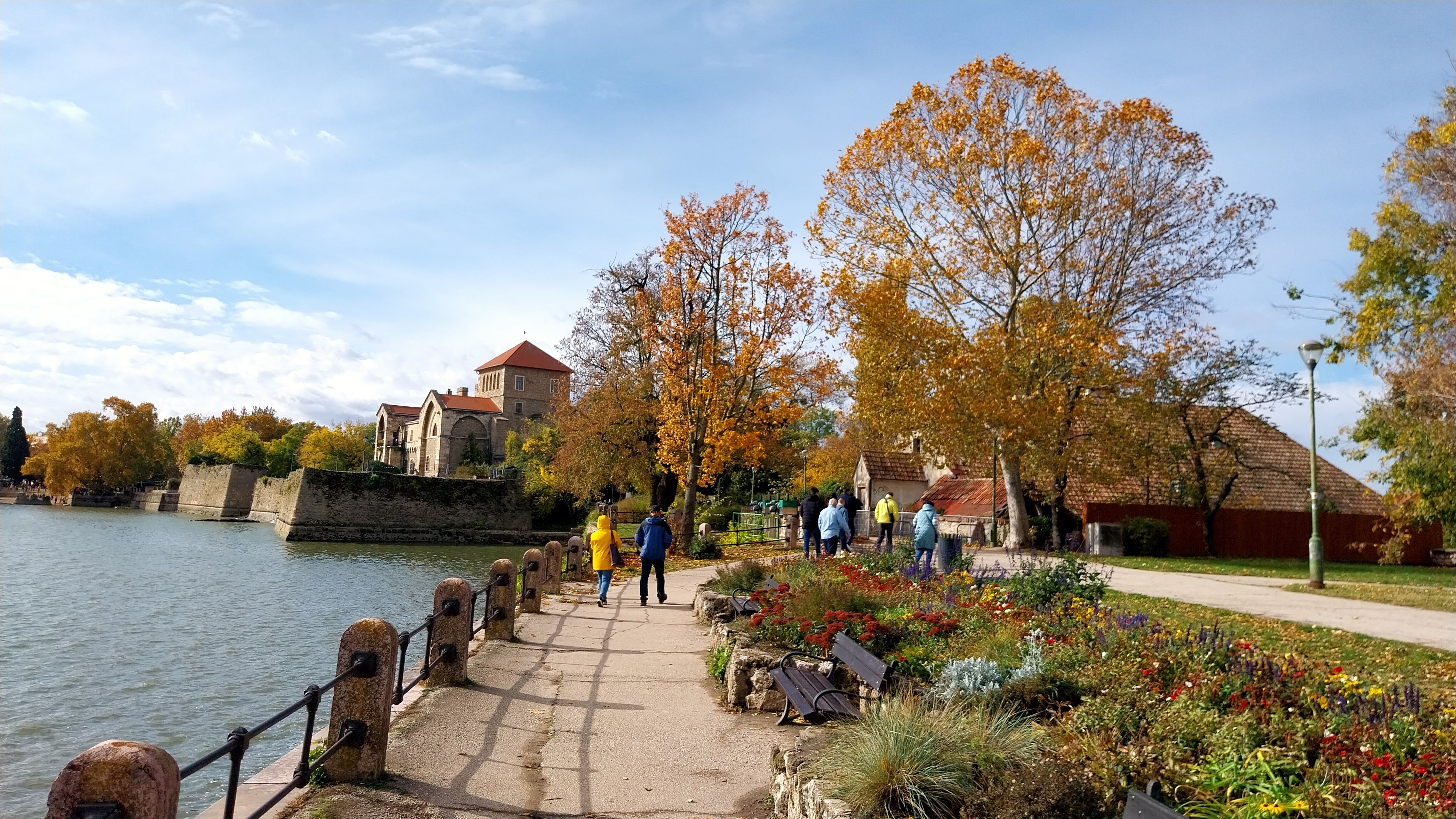
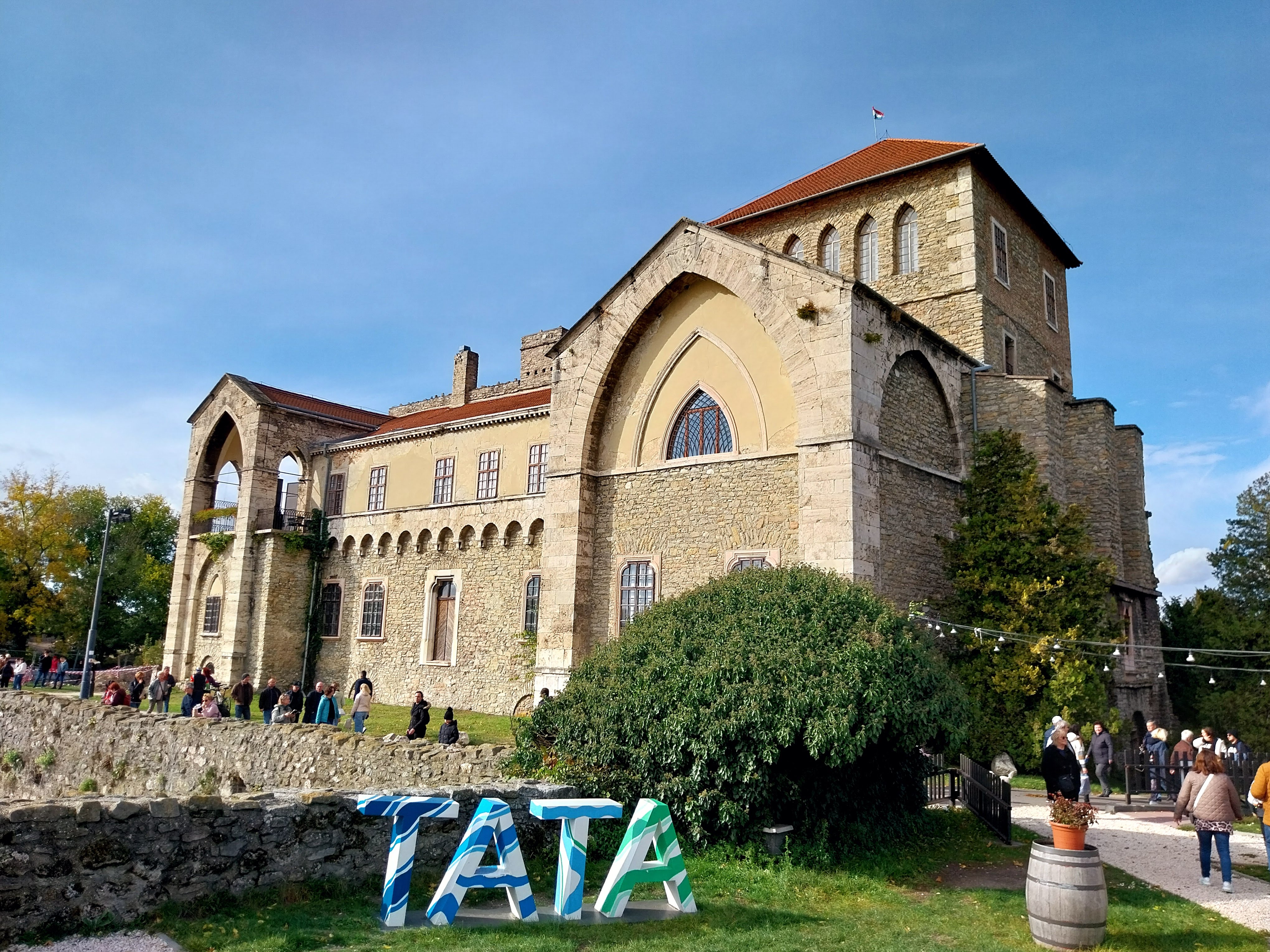
The most iconic building of Tata is the castle directly on the shore of the Old Lake. Built as a royal residence in the late 14th century, King Matthias Corvinus later expanded it into a Renaissance palace, while its strategic location made it an important fortress during the Ottoman wars. Today, the castle houses the Kuny Domokos Museum. You can walk freely around within the exterior castle walls.
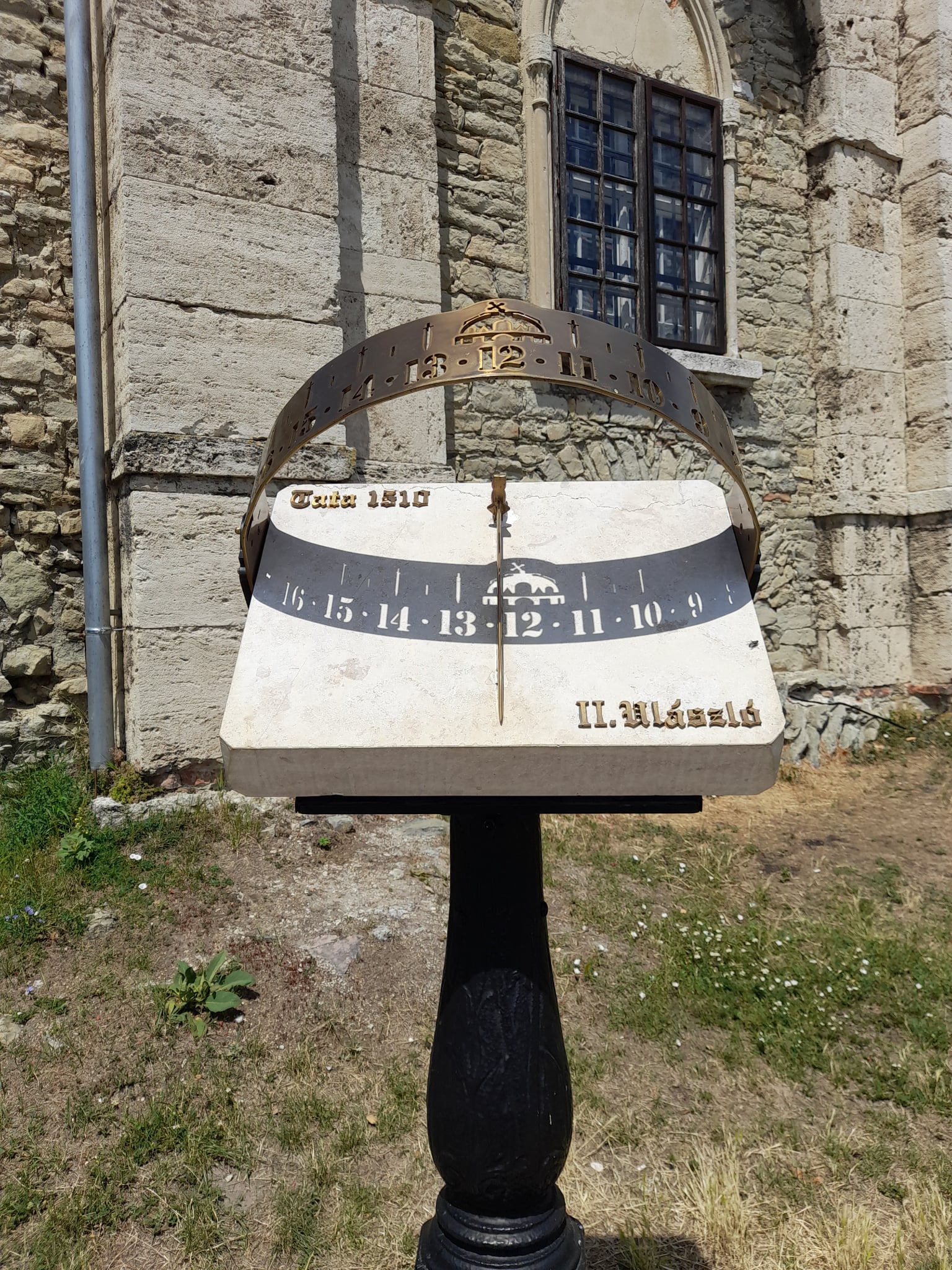
A memorial in the castle to the Diet of Tata in 1510. A historical parliamentary assembly of the Kingdom of Hungary convened in Tata by King Vladislaus II due to an outbreak of plague elsewhere in the country.
Esterházy Palace
A few steps away from the Castle is the Esterházy Palace. This elegant building was designed by Jakob Fellner in the 18th century for the Esterházy family, who played a major role in transforming Tata. Restored and reopened in 2021, the palace presents the aristocratic lifestyle of the family through its Island of Peace exhibition. A combined ticket for the palace and castle is now available.
The Old Lake
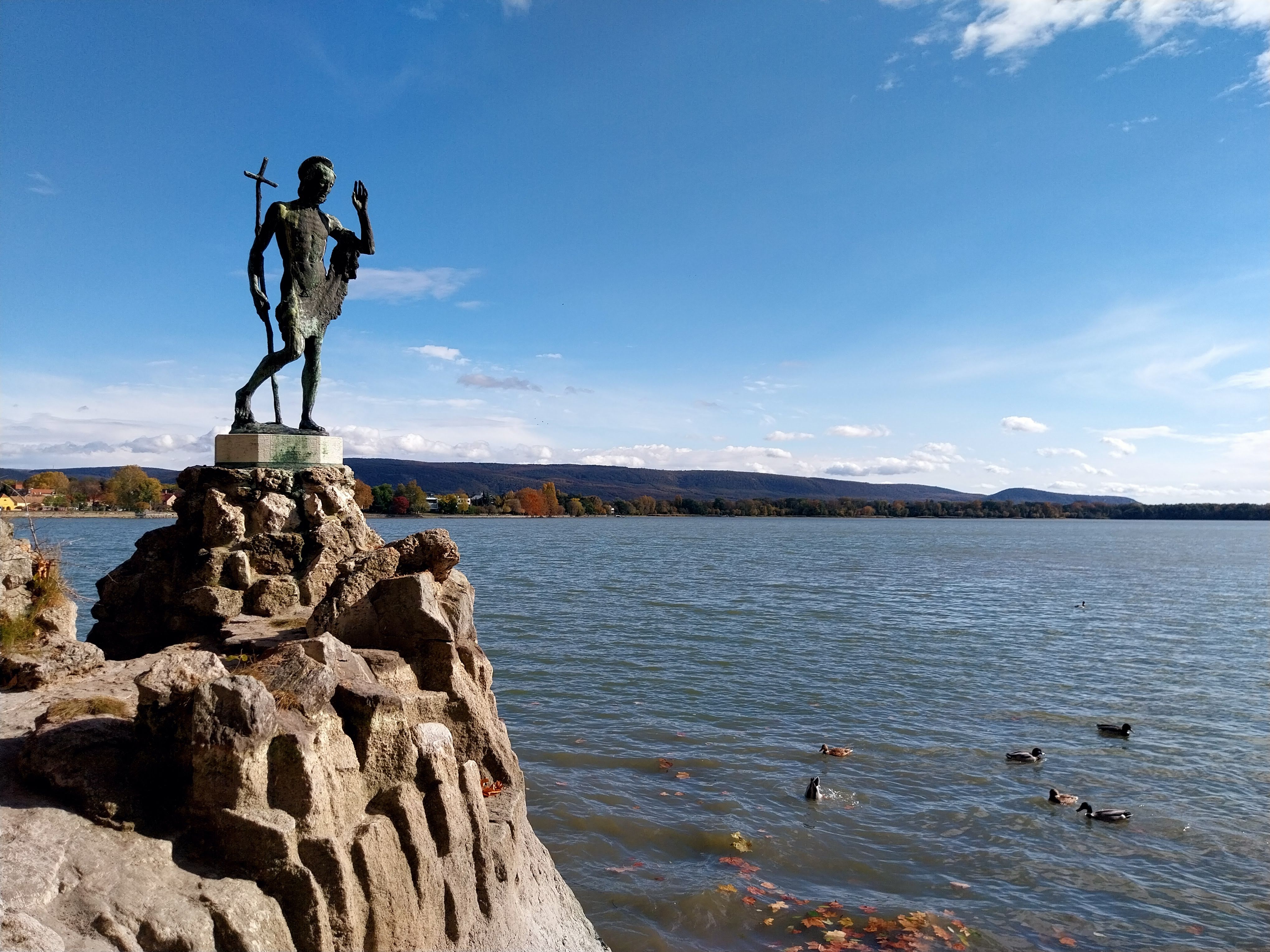
The Old Lake is the centerpiece of Tata, stretching around 200 hectares beside the historic center. Its shores are ideal for walking and cycling, while the lake is internationally important for migratory birds. In late autumn, tens of thousands of wild geese gather here.
The English Garden
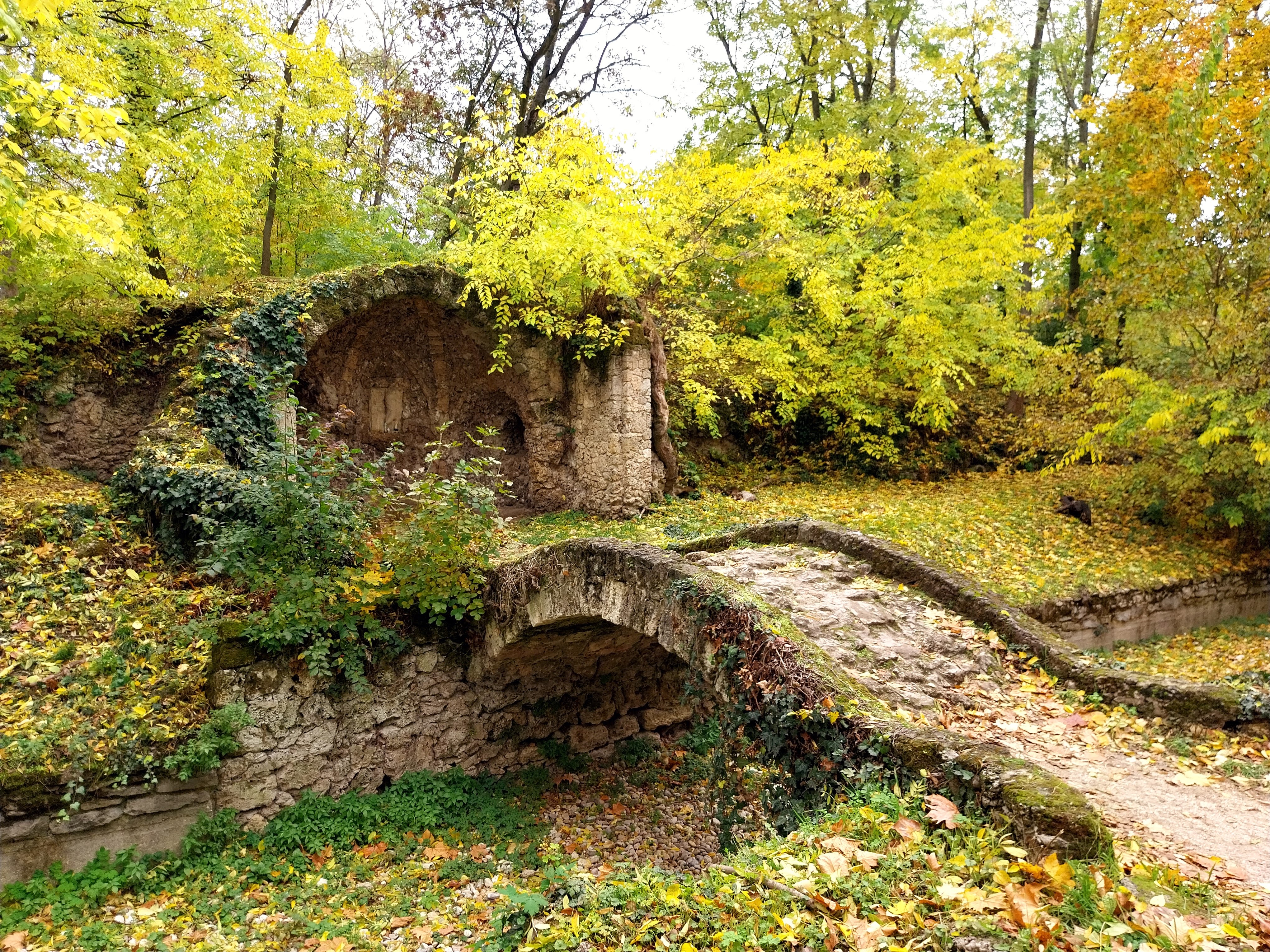
Created from 1783 around Cseke Lake, Tata's English Garden is considered one of Hungary's earliest English-style landscape gardens. Winding paths, mature trees, the lake and picturesque artificial ruins make it one of the town's most pleasant places for a walk.
Fényes Nature Trail
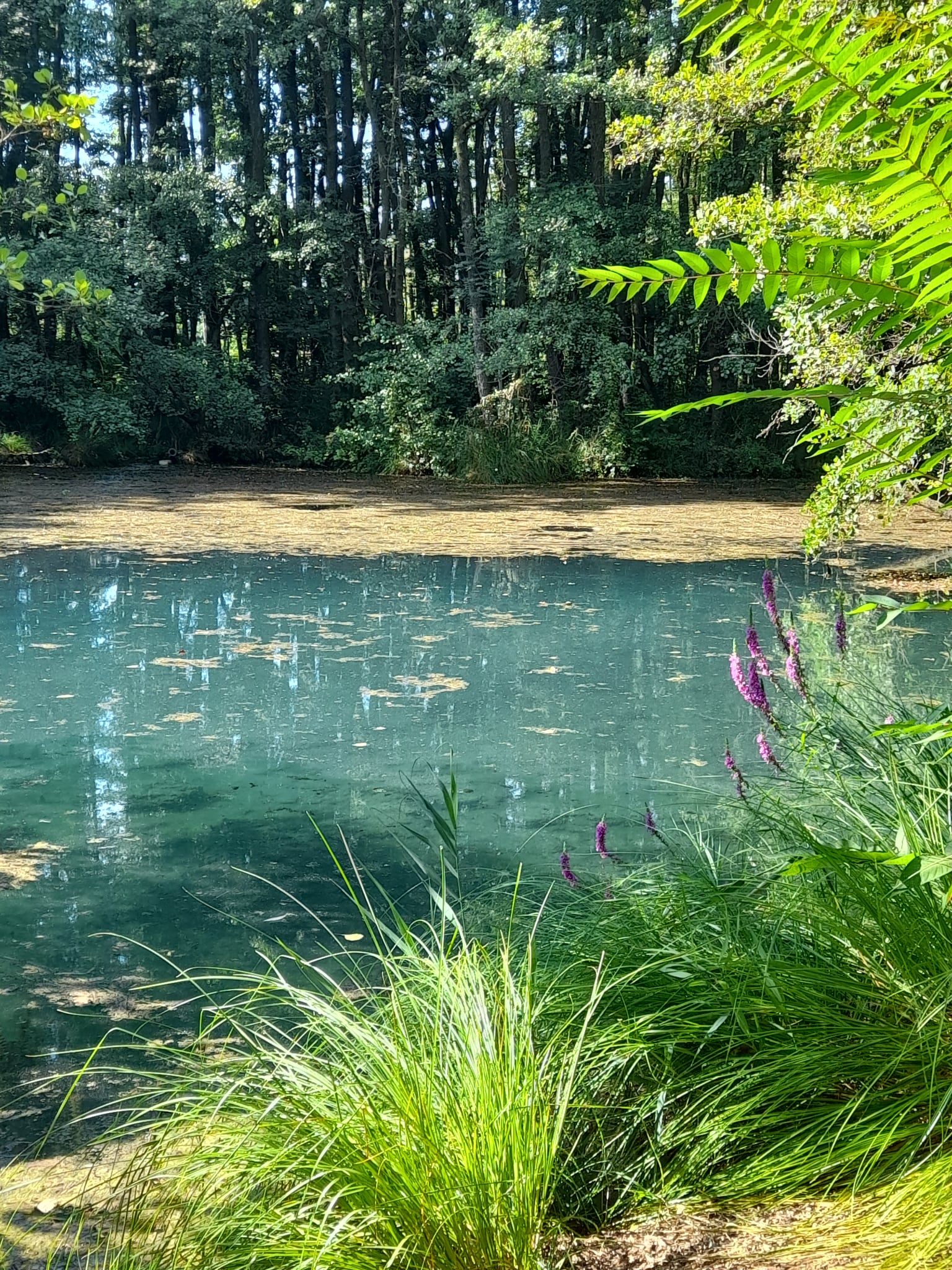
The Fényes Nature Trail leads across a spring-fed wetland on wooden walkways. The unusual landscape was created by Tata's karst springs, which returned after mining in the region declined. The trail offers an easy way to see the area's wetlands, forests and wildlife.
Kálvária Hill (Calvary HIll)
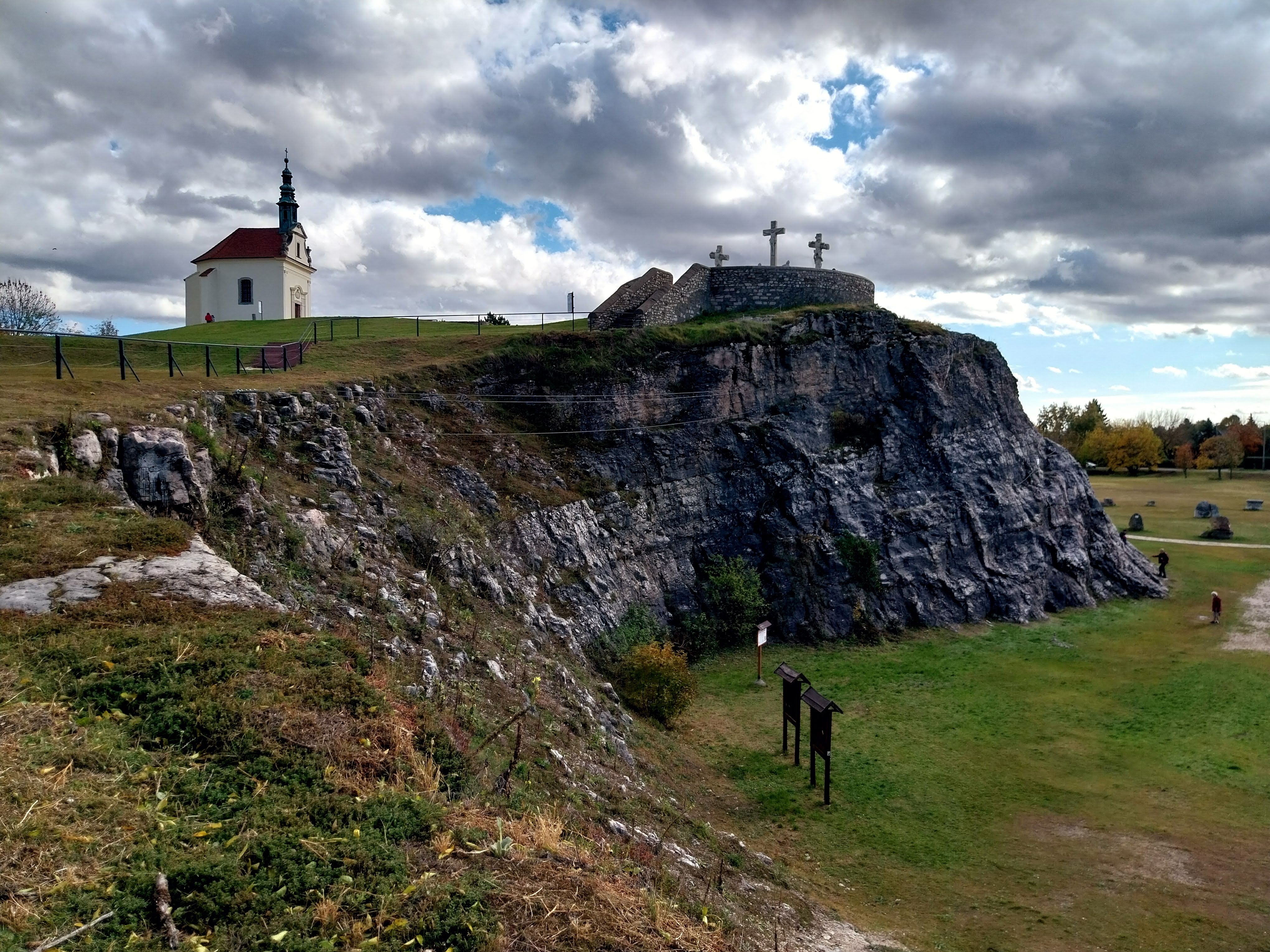
Kálvária Hill combines a Baroque chapel and Stations of the Cross with a geological park displaying rocks from different geological periods. The hill also offers views across Tata and the surrounding countryside.
Esterházy Summer Residence
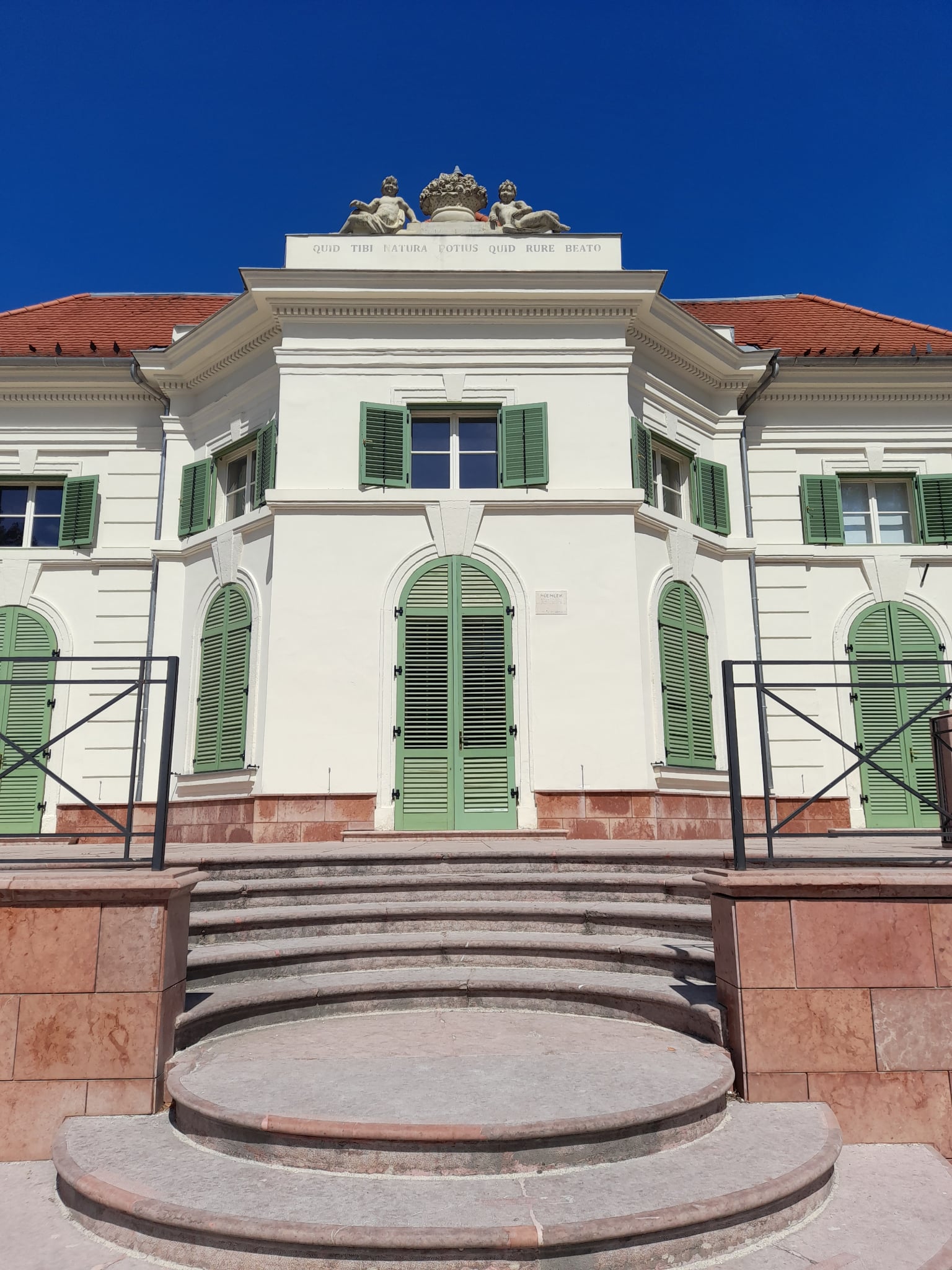
Hidden in the English Garden, the small Esterházy Summer House was reopened in 2026 with a new exhibition. Unlike the grand palace in the town center, this building was designed as a quieter retreat surrounded by the garden.
Water Mills
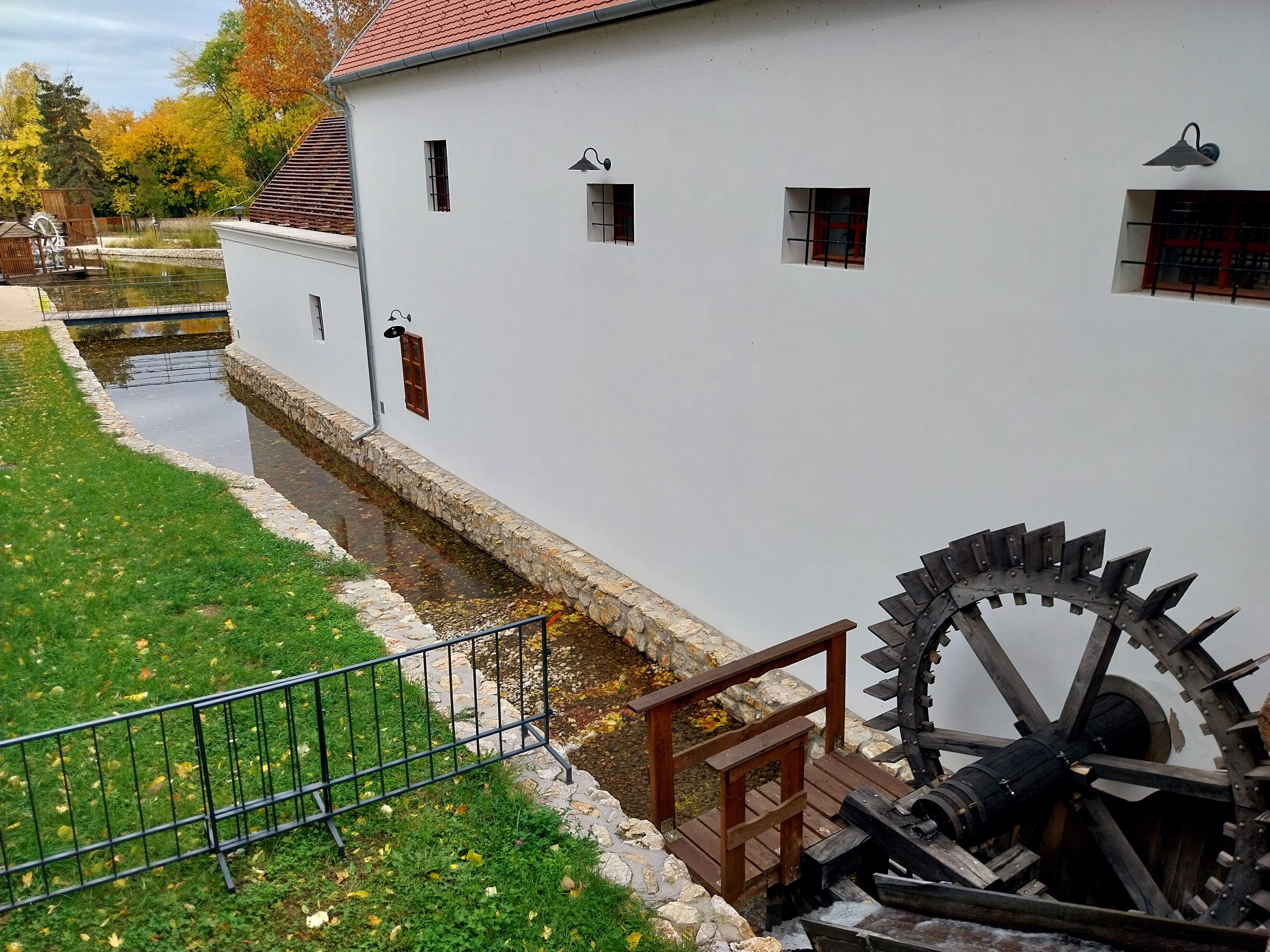
Tata's many springs once powered an extensive network of water mills, making milling an important part of the town's economy. Several historic mill buildings and remnants can still be found around Tata's waterways, including the former Nepomucenus Watermill, now home to the German Nationality Museum. The mills are a reminder of how closely the town's history has always been connected to water.
Fellner Jakab Lookout
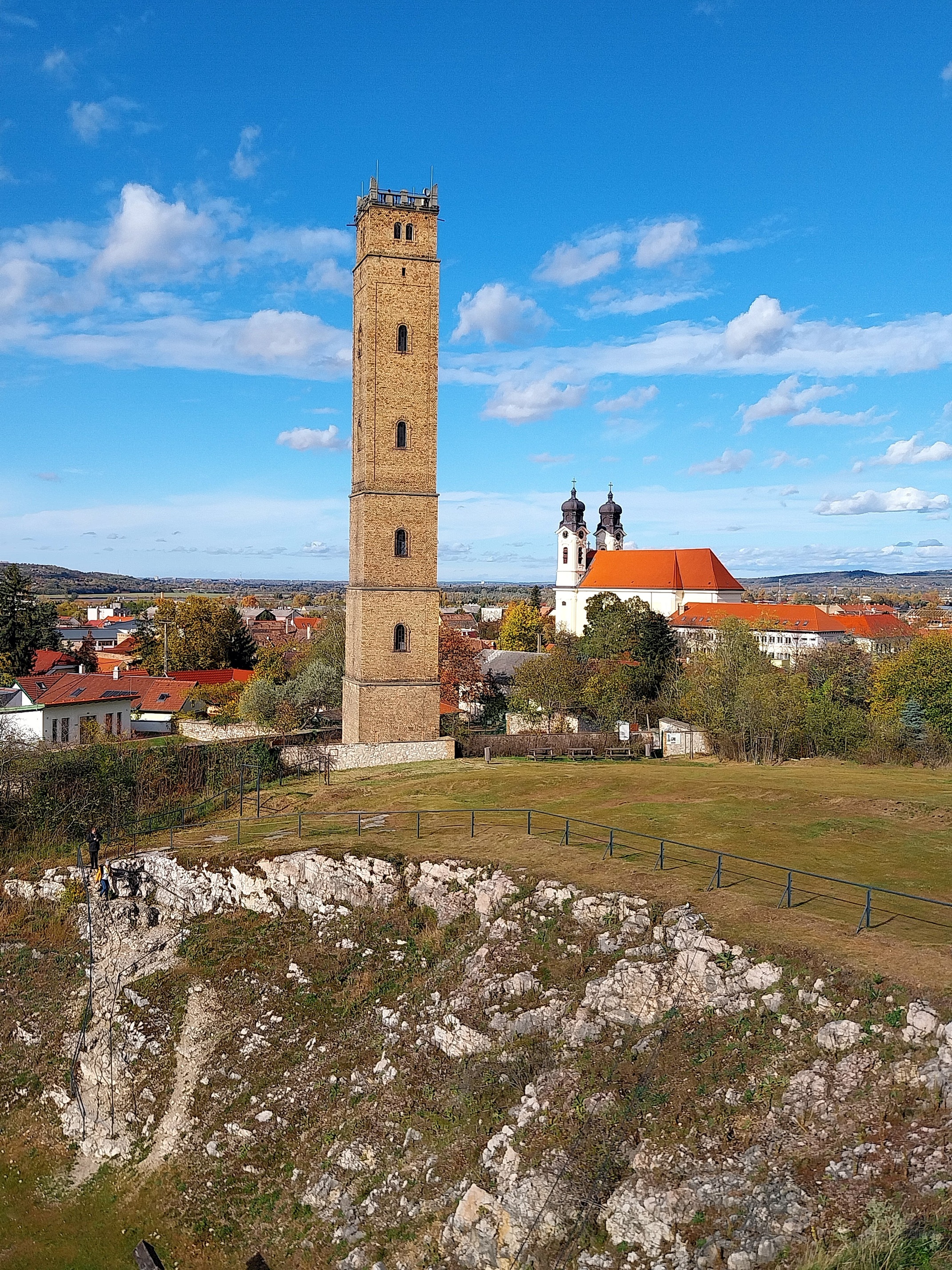
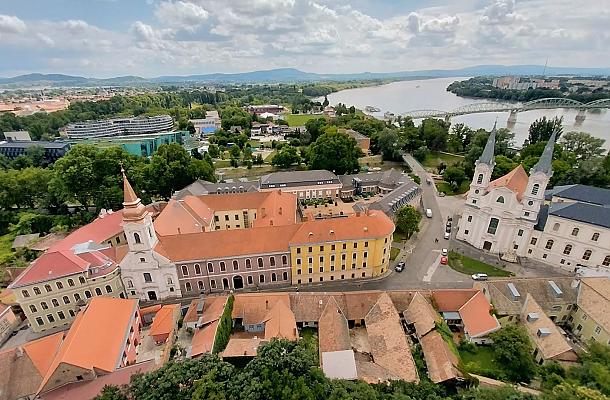
The 40-metre-high Fellner Jakab Lookout on Kálvária Hill has a rather unusual history: it was originally built in 1939 as a shot tower, where molten lead was dropped from the top and solidified into round shot as it fell. Today, visitors can climb its 175–200 steps for panoramic views over Tata, the Old Lake and the surrounding countryside.
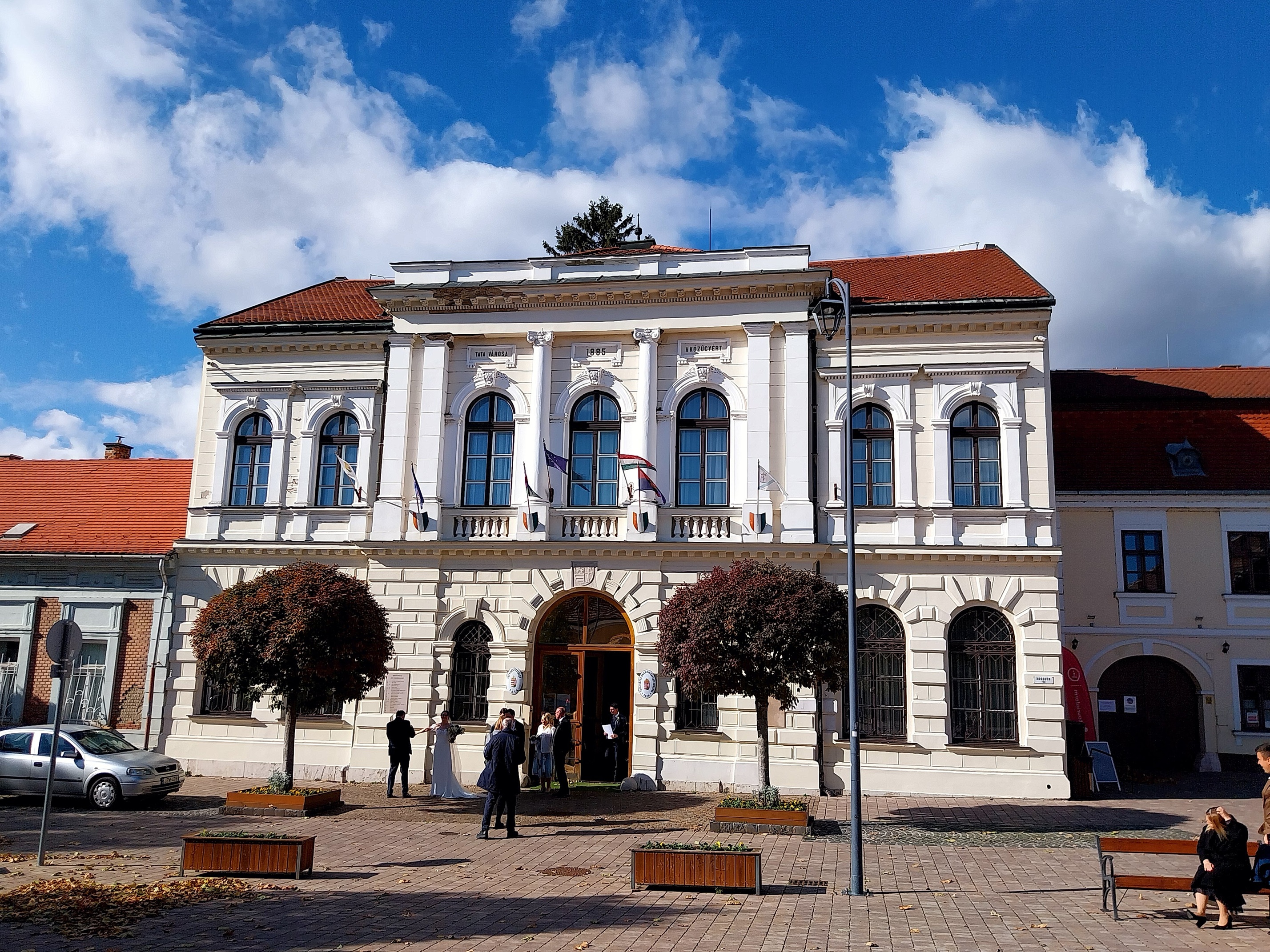 The Town Hall