27.9 °C


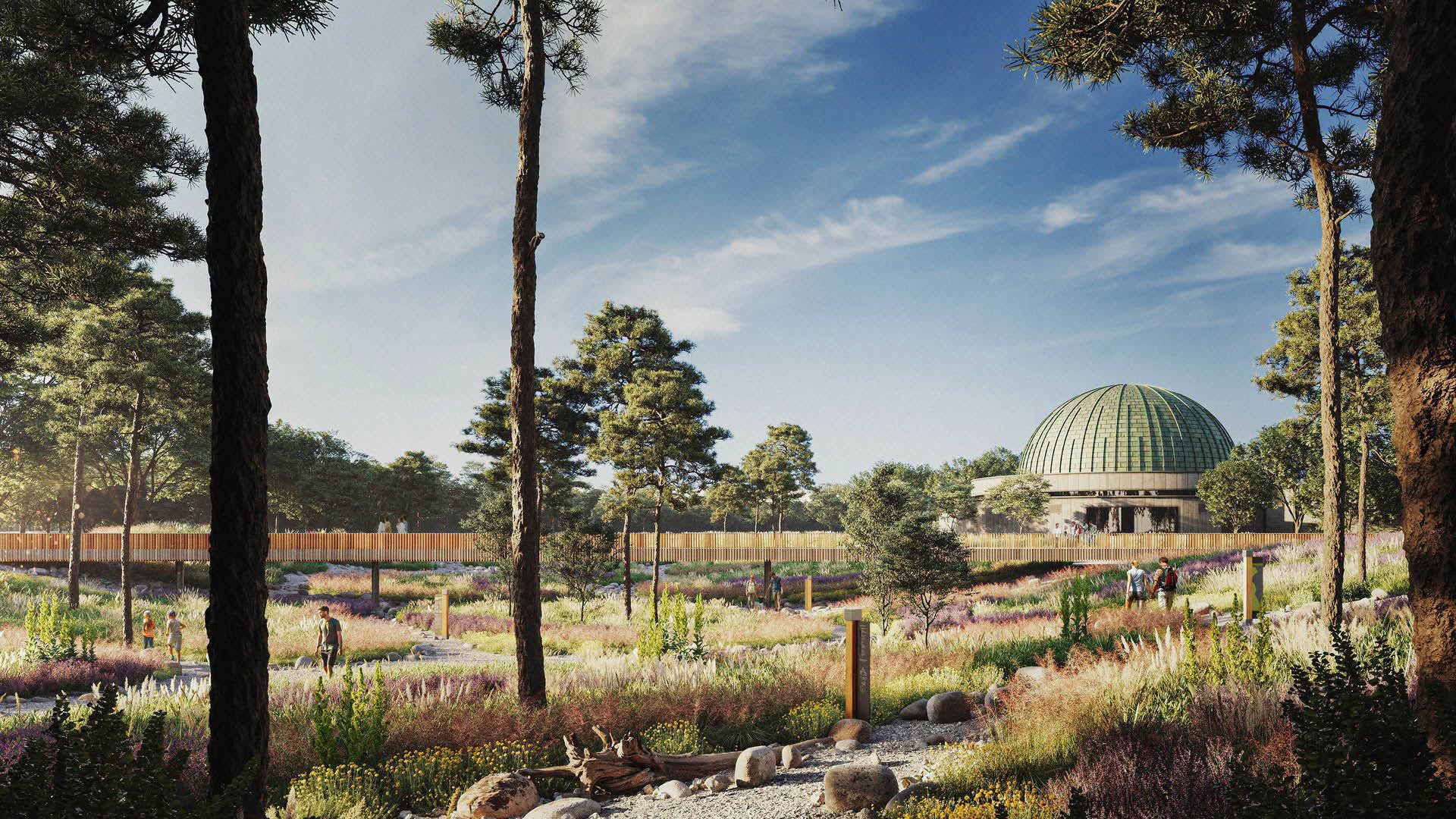
One of Budapest’s largest and most historic parks is set for a major transformation. Plans for the renewal of Népliget include more greenery, improved walking and cycling routes, better recreational facilities and a reduction in through-traffic.
Népliget, meaning “People’s Park,” is Budapest’s largest historic public park, covering around 130 hectares. Its history goes back more than 120 years: landscaping began on the site of a former sand quarry and waste area in the late 1860s, and the development of the park gained further momentum around the time of Budapest’s 1896 Millennium celebrations.
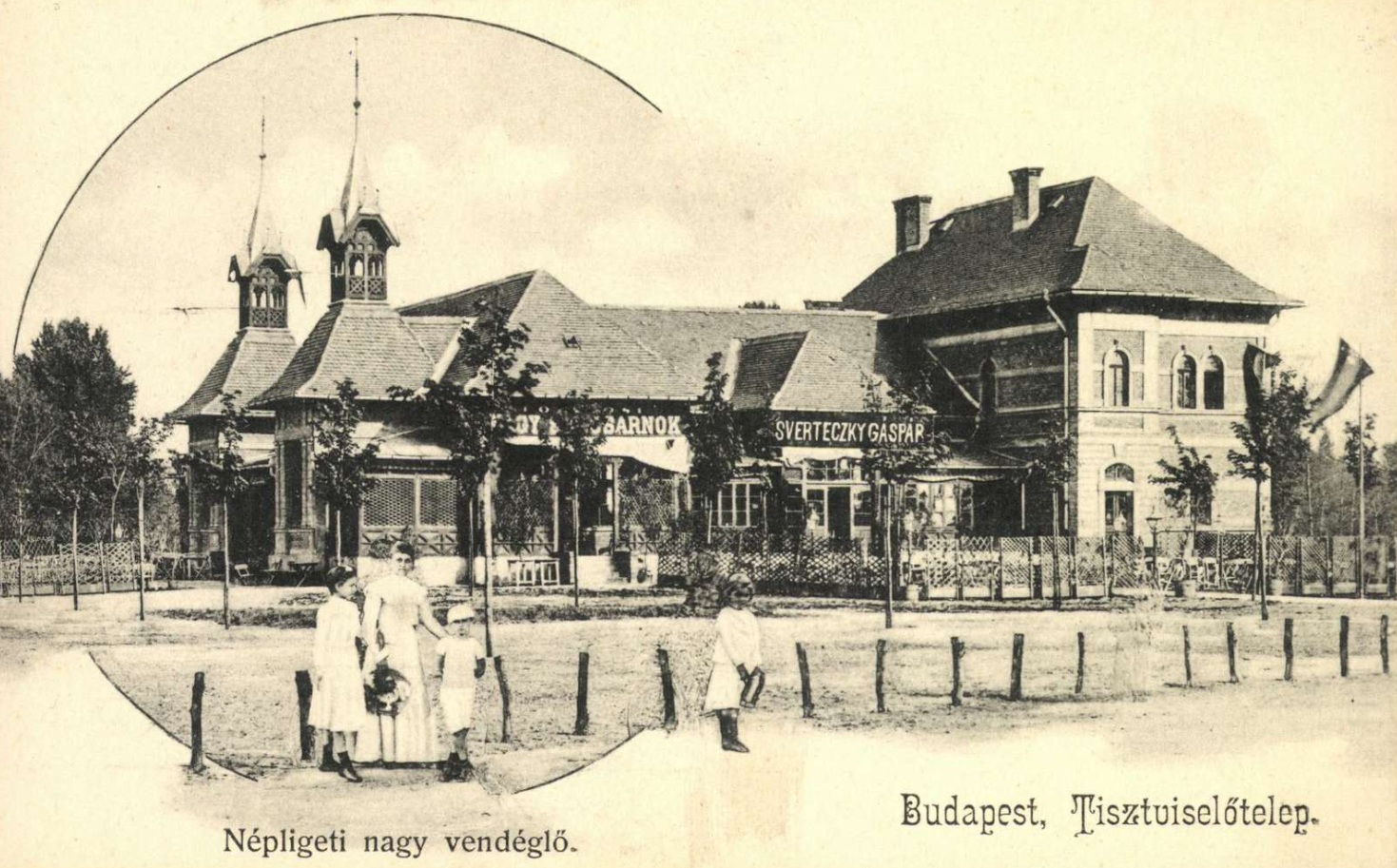
The since demolished Grand Restaurant (Source: Zempléni Múzeum, Szerencs, 0115857)
The park was the site of the 1936 Hungarian Grand Prix, held on roads within the park, as well as a round of the 1963 European Touring Car Challenge season. The circuit hosted European Touring Car Championship races in the 60's
Today, Népliget is a large but somewhat underused green space, and much of its potential remains unrealized. Its size, mature trees, historic landscape and central location give it considerable potential to become a major urban park and recreational destination in the future. The planned renewal aims to unlock that potential and create a greener, more attractive and better-connected public space for Budapest.
What will change?
One of Népliget’s best-known buildings is the Planetarium, which opened in 1977 and became a popular science and educational attraction for generations of Budapest residents. It closed in 2017 and has remained unused since then. The building’s future is now being reconsidered, with several possibilities under discussion, ranging from reopening it temporarily to a full renovation and the creation of a modern science museum and experience centre.
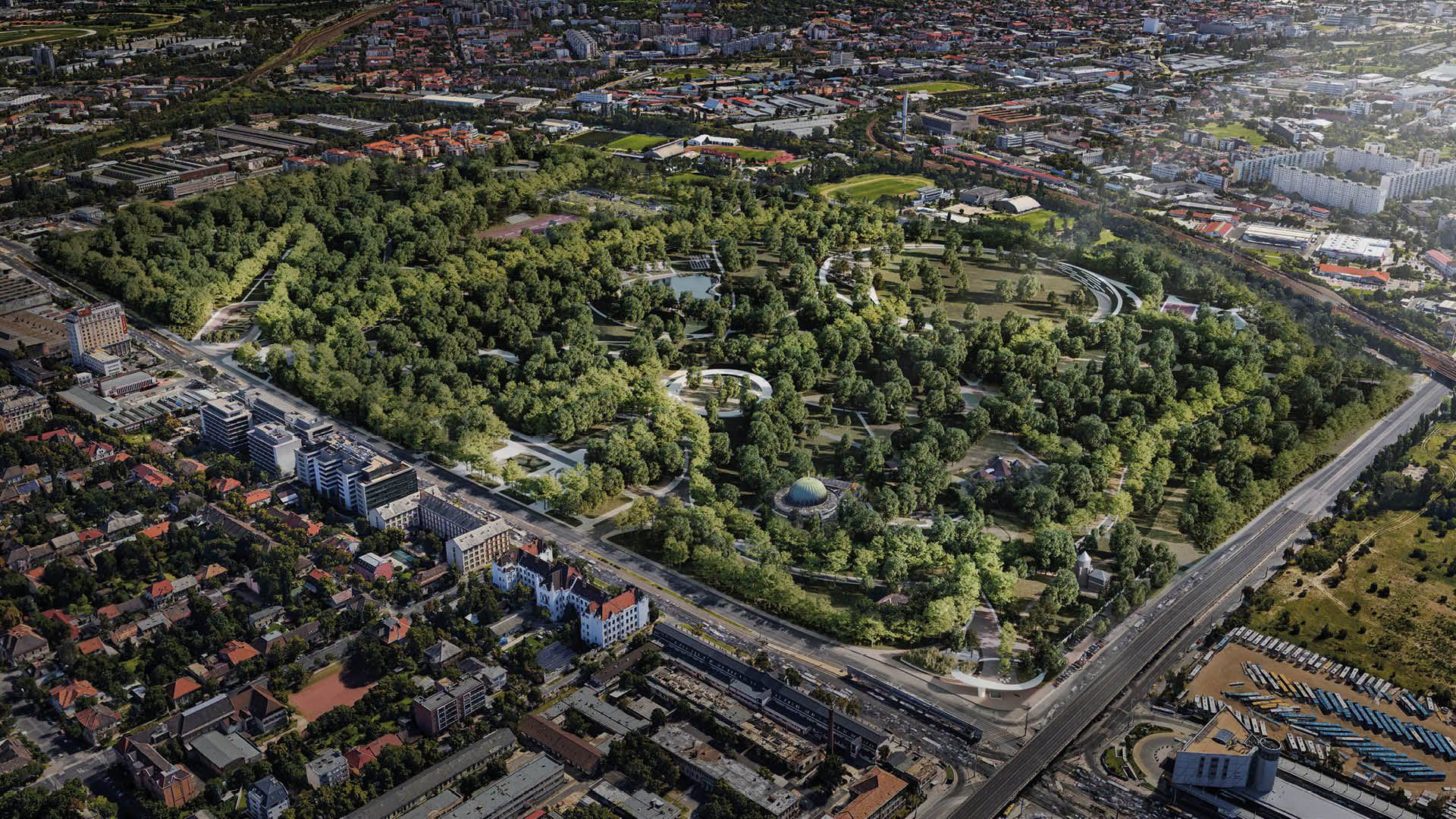
The renewal is designed to make Népliget greener, easier to navigate and more enjoyable to use. One of the main priorities is to improve the park’s green spaces while reducing paved areas and introducing more climate-friendly landscaping and water features.
The plans also call for better arrival points and improved public lighting, making it easier and more pleasant to enter and move through the park. A major element of the project is reducing car traffic inside the area. The freed-up space would give pedestrians, runners and cyclists more room, while making the different parts of Népliget easier to connect.
The recreational facilities are also planned to receive an upgrade. The proposals include renovated playgrounds, improvements to the running circuit and a new sunbathing lawn.
The former Mutatványos Square is planned to become an event space, potentially giving Népliget a new role as a venue for outdoor cultural and community events. Closed and unused pavilions would also be removed as part of the transformation.
Népliget is already one of Budapest’s better-connected green spaces, with the M3 metro, trams and buses serving the area. Future transport developments could make it even easier to reach. The plans envisage a new railway stop connected to the development of Budapest’s Circular Railway line. Together with existing metro, tram, bus and cycling connections, this could make Népliget significantly more accessible from other parts of Budapest and the surrounding region.
The nearby former Transport Museum site is also expected to remain part of the area’s wider development, strengthening the cultural appeal of this part of the city.
If completed, the project could turn Népliget into one of Budapest’s most attractive large urban parks — while preserving its historic landscape and giving visitors another substantial green space to discover beyond the city’s traditional tourist routes.