29.6 °C


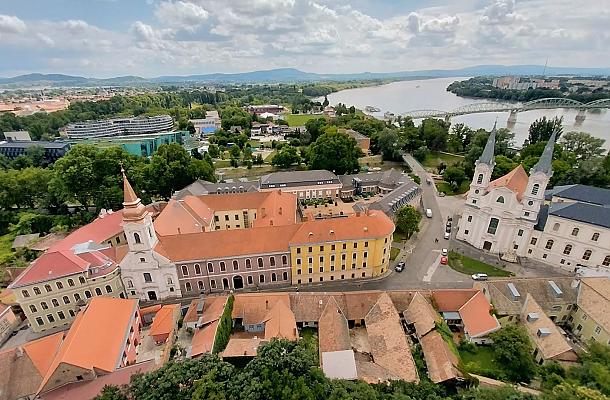
In our ongoing series exploring the treasures of the Danube Bend north of Budapest, we turn our attention to the left bank of the river, and visit the Baroque town of Vác.
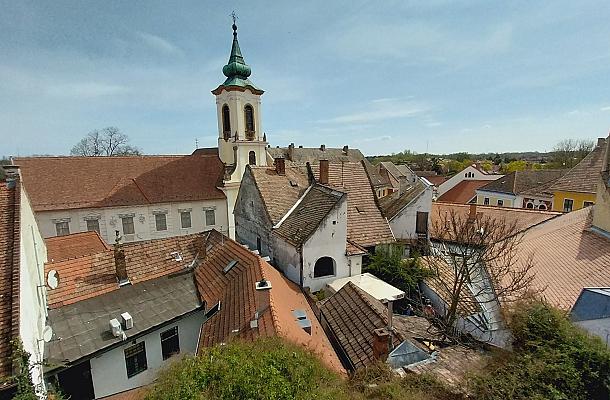
While many travelers flock to the cobblestone streets of Szentendre or the grand heights of Esztergom, the city of Vác remains one of Hungary’s best-kept secrets. The Baroque Vác offers a sophisticated mix of religious history, bizarre archaeological discoveries, and a riverside atmosphere that is arguably the most peaceful in the region. ideal for a day's excursion from the capital.
The history of Vác is linked to the Catholic Church. Founded over a thousand years ago, it was designated as one of the original bishopric seats by King Saint Stephen, the first king of Hungary. This religious significance shaped the city's destiny, bringing both immense wealth and heavy destruction. During the 13th-century Mongol invasion, the town was razed, only to be rebuilt with the help of German settlers. Later, the 150-year Ottoman occupation left the city in ruins once more.
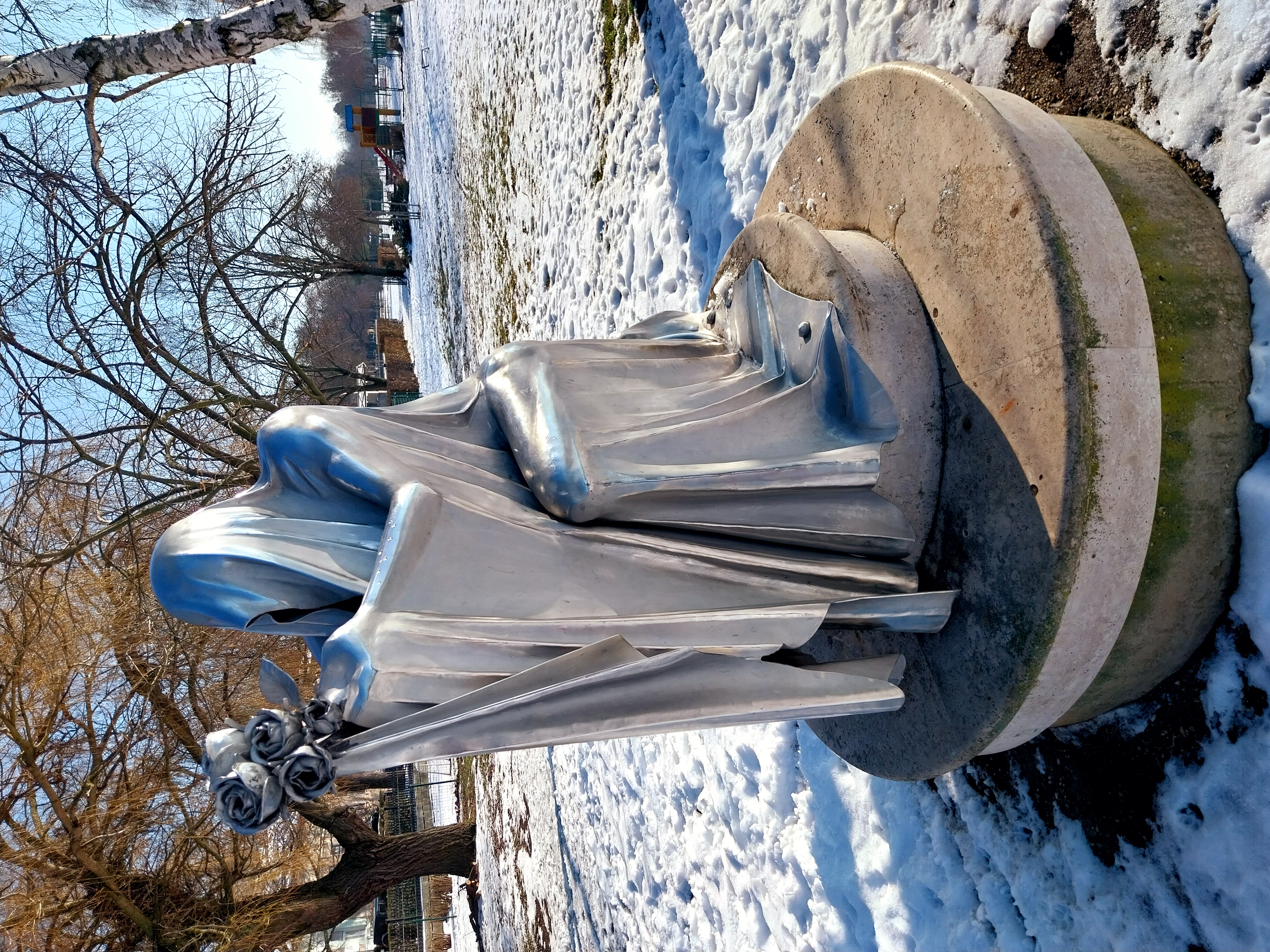 Statue of St. Elizabeth on the Danube promenade
The Vác we see today is a product of the 18th-century "Golden Age." Under the patronage of enlightened bishops like Kristóf Migazzi and Mihály Althann, the city was transformed into a Baroque masterpiece, which is largely intact to date. These men didn't just build churches; they redesigned the entire urban landscape, creating grand squares and monuments.
Vác also holds a special place in Hungarian industrial history as the destination of the country’s first-ever railway line, which connected it to Pest in 1846, forever cementing its role as the capital's favorite northern getaway. Today Vác can be reached by international trains running between Budapest and Bratislava and Prague
Getting to the Baroque Jewel
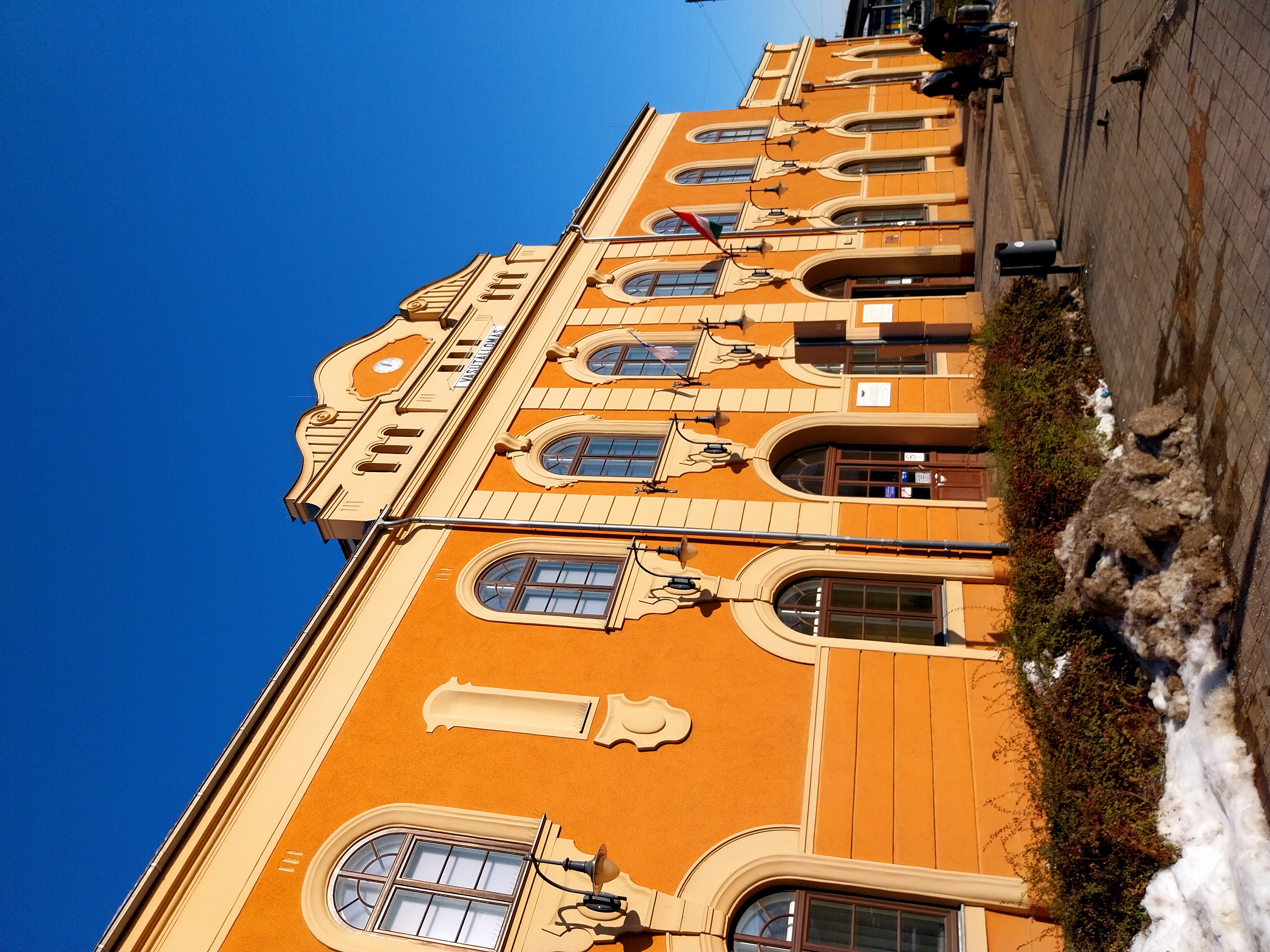 Vác railway station opened in 1846, as part of the first railway line in Hungary
Reaching Vác is remarkably straightforward. The most efficient route is by train from Budapest Nyugati Railway Station. High-capacity Stadler KISS and FLIRT suburban trains depart every 30 minutes. If you catch the Z70 express, you can be stepping onto the Vác platform in just 24 minutes, other trains might make the journey in 33 or 40 minutes. If you are feeling adventurous, the city is also a major stop on the EuroVelo 6 international cycle path, offering a flat and scenic 34-kilometer ride from Budapest. The town square is just a short walk away from the station.
So what are the best ways to spend your day in Vác?
The Cathedral and Konstantin Square
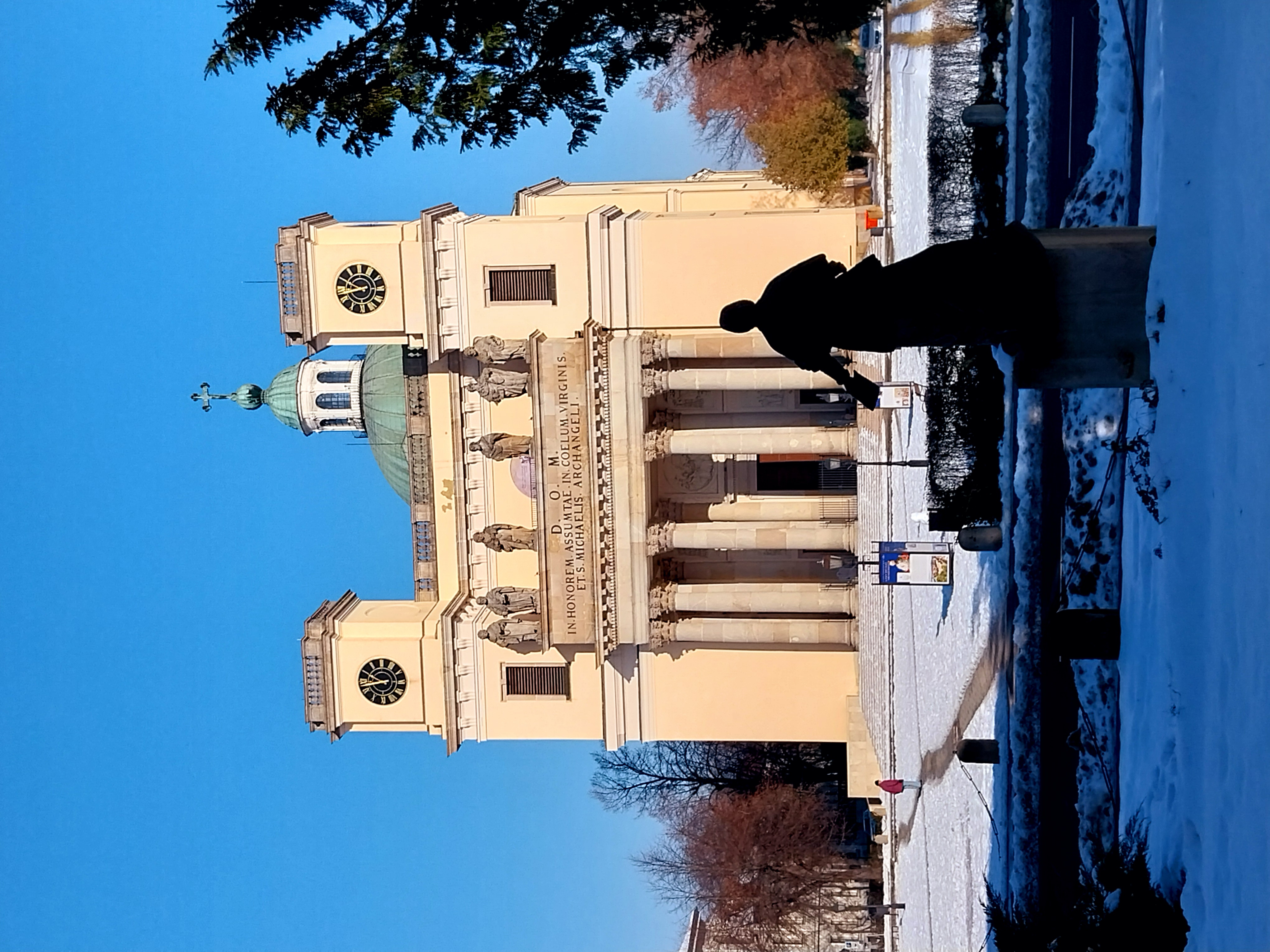
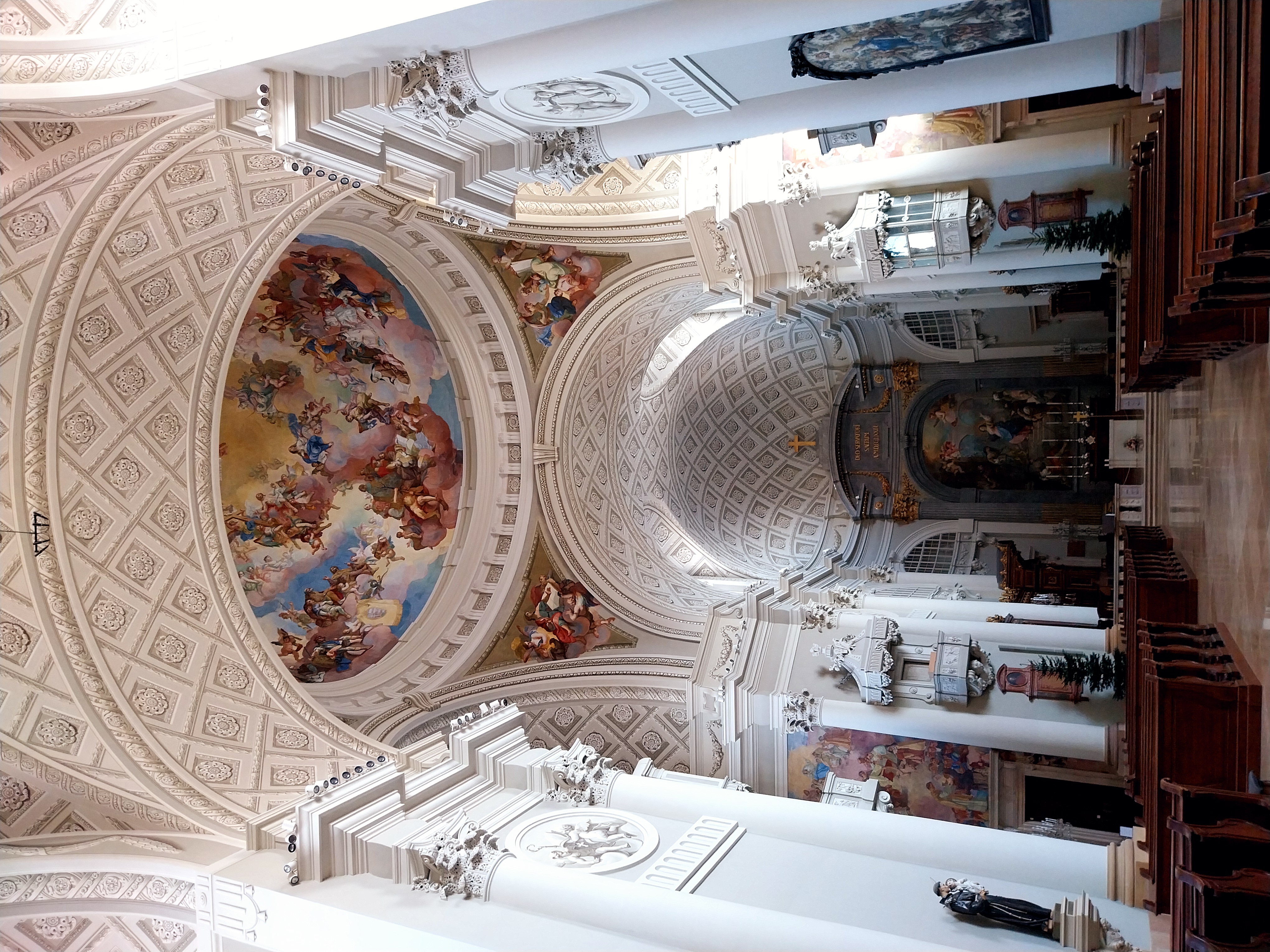
The spiritual heart of the city is the Cathedral of the Assumption, a massive Neoclassical-Baroque structure that dominates Konstantin Square. Commissioned by Bishop Migazzi in the 1760s, it was designed by the Italian architect Isidore Canevale. The facade, with its towering Corinthian columns, feels more like a Roman temple than a typical Hungarian church. Inside, the atmosphere is equally grand, featuring a stunning dome fresco by Franz Anton Maulbertsch. You can climb the tower for the price of a ticket, that is available at the Visitor's Centre in the Bishops's Palace across the square. The square itself is a peaceful, green expanse surrounded by other ecclesiastical buildings, including the Bishop’s Palace and the Seminary, creating an ensemble of architectural harmony rarely seen elsewhere in the country.
The Historic Castle Area
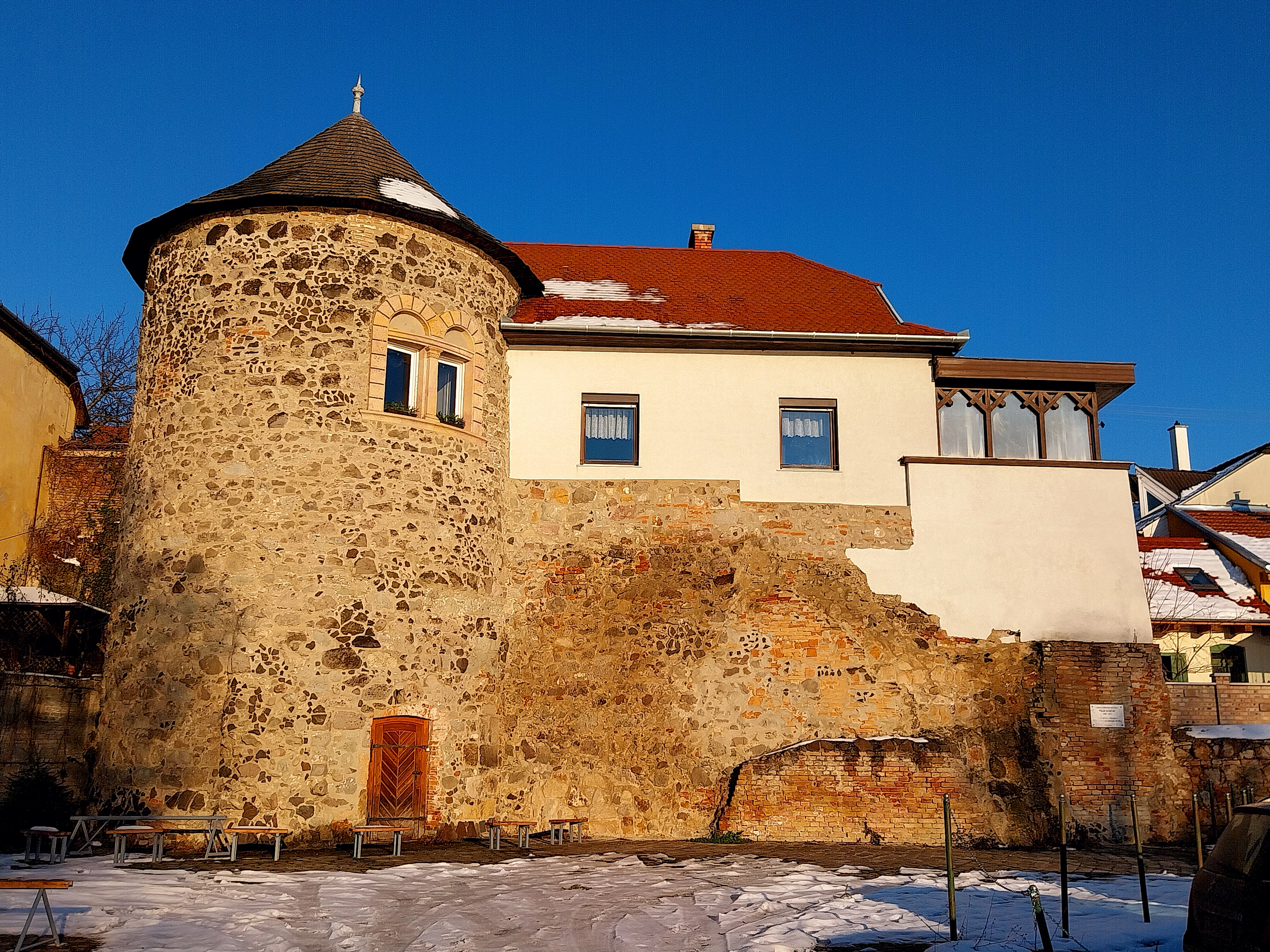
Built in the Middle Ages to guard the Danube, the fortress was heavily damaged and eventually dismantled over centuries of wars and rebuilding, leaving only fragments behind. The Vác Castle was permanently destroyed in 1684. Its destruction was ordered by Abdurrahman Pasha of Buda in anticipation of the arrival of the Christian army. Today, tourists may spot traces of its former defenses, remaining walls, and archaeological hints woven into the modern townscape. Therenovated Franciscan Church of the Holy Cross stands on the site of the former castle overlooking the Danube.
Március 15. Square and the Mummies of Vác
The center of social life in Vác is the triangular Március 15. Square, the main square. Surrounded by beautifully restored Baroque houses, the square feels like an open-air museum with its statues, fountains and monuments. St. Michael’s Ruin Garden is located right in the center of the square, where you can see the excavated remains of a 13th-century church that stood there for over 500 years.
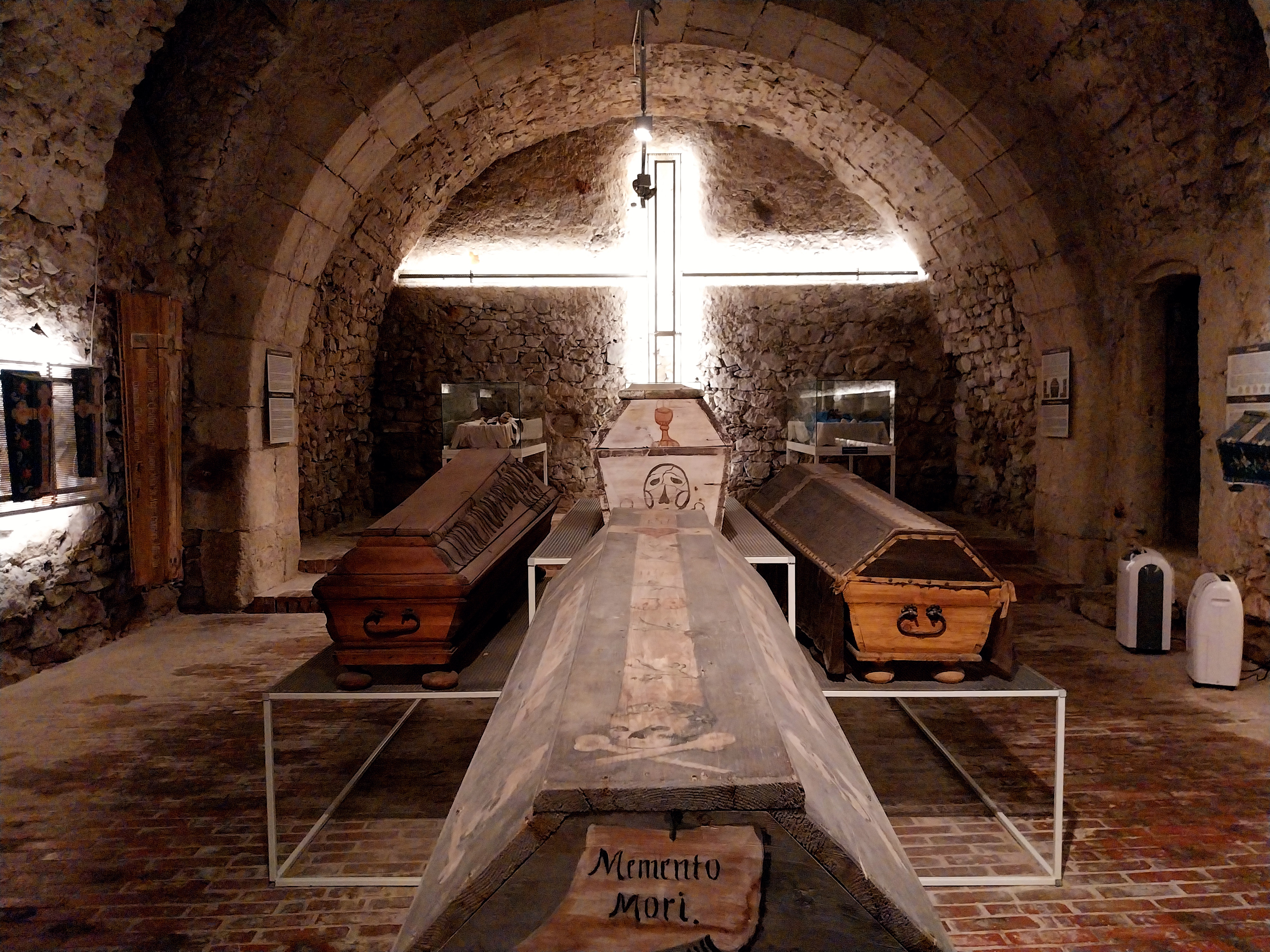
However, the main square's most famous attraction is found underground. In 1994, during the restoration of the Church of the Whites (named for the white robes of the Dominican monks), a hidden crypt was discovered. Inside were 262 naturally mummified citizens from the 18th and 19th centuries, preserved by the unique microclimate of the vault. The Memento Mori exhibition on the square displays these mummies along with their elaborately painted wooden coffins, offering a deeply personal and hauntingly beautiful look at the lives, fashions, and burial customs of the era.
This is also where the City Hall of Vác is located. It is widely considered one of the finest secular Baroque buildings in Hungary. Its current look was finalized in 1764 specifically for the visit of Empress Maria Theresa. The Kúria, situated at Március 15. tér 20, is a former hotel and bishopric building that now serves as a cultural hub.
The Triumphal Arch (Stone Gate)
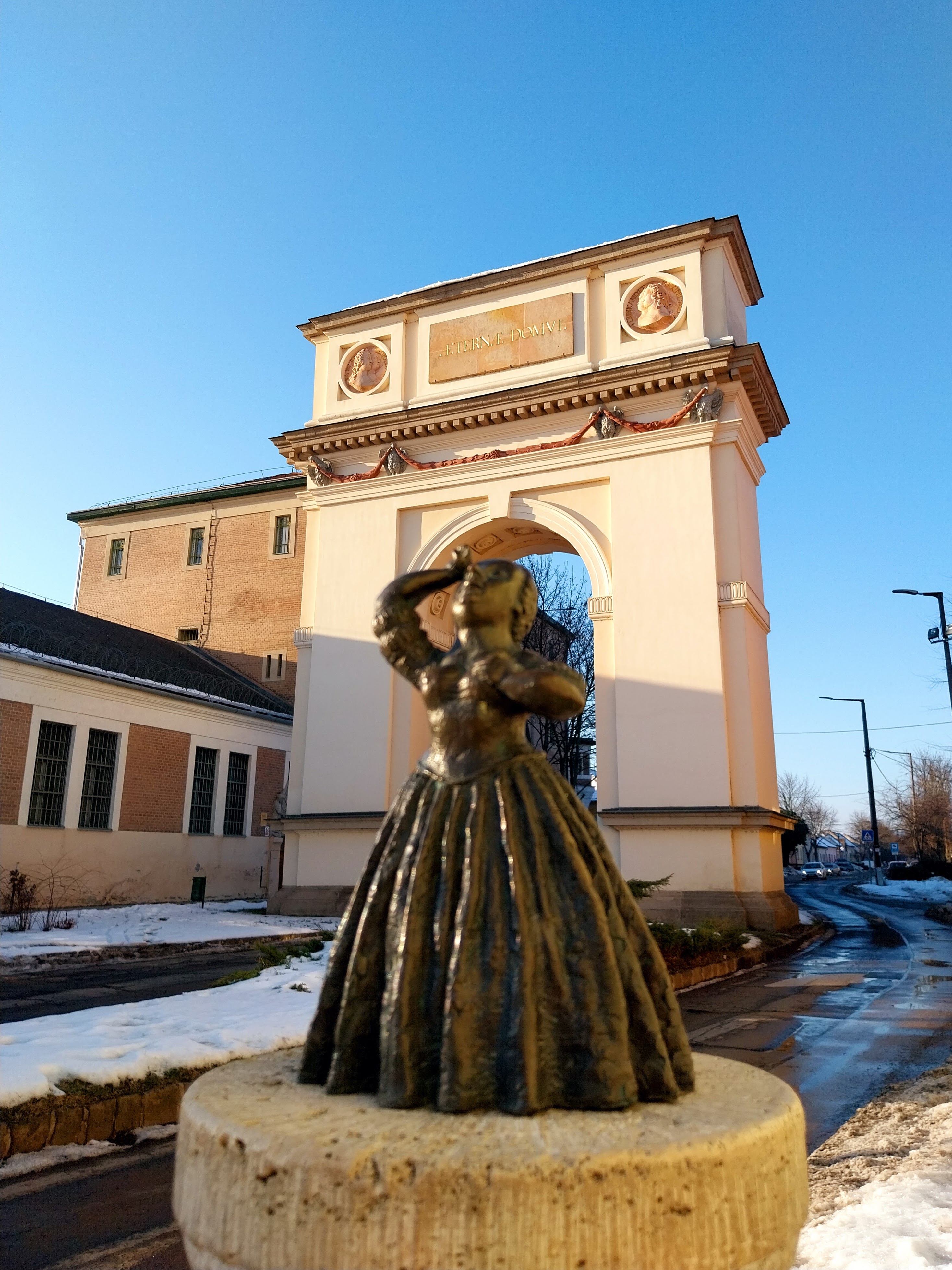
A mini statue of Empress Maria Theresa by Kolodko
A short stroll north from the main square leads you to the Kőkapu, or Stone Gate, another work by Isidore Canevale. This is the only Triumphal Arch in Hungary and was built in 1764 for a very specific reason: to welcome Empress Maria Theresa. The Bishop wanted to impress the monarch with the city's grandeur, and the arch was completed in a record-breaking five months. Local legend famously claims that the Empress was so terrified that such a quickly built structure would collapse that she refused to drive her carriage under it. Today, it stands as a unique monument to Baroque ambition, situated right next to the imposing walls of the Vác Prison.
The Baroque Bridge and the Danube Promenade
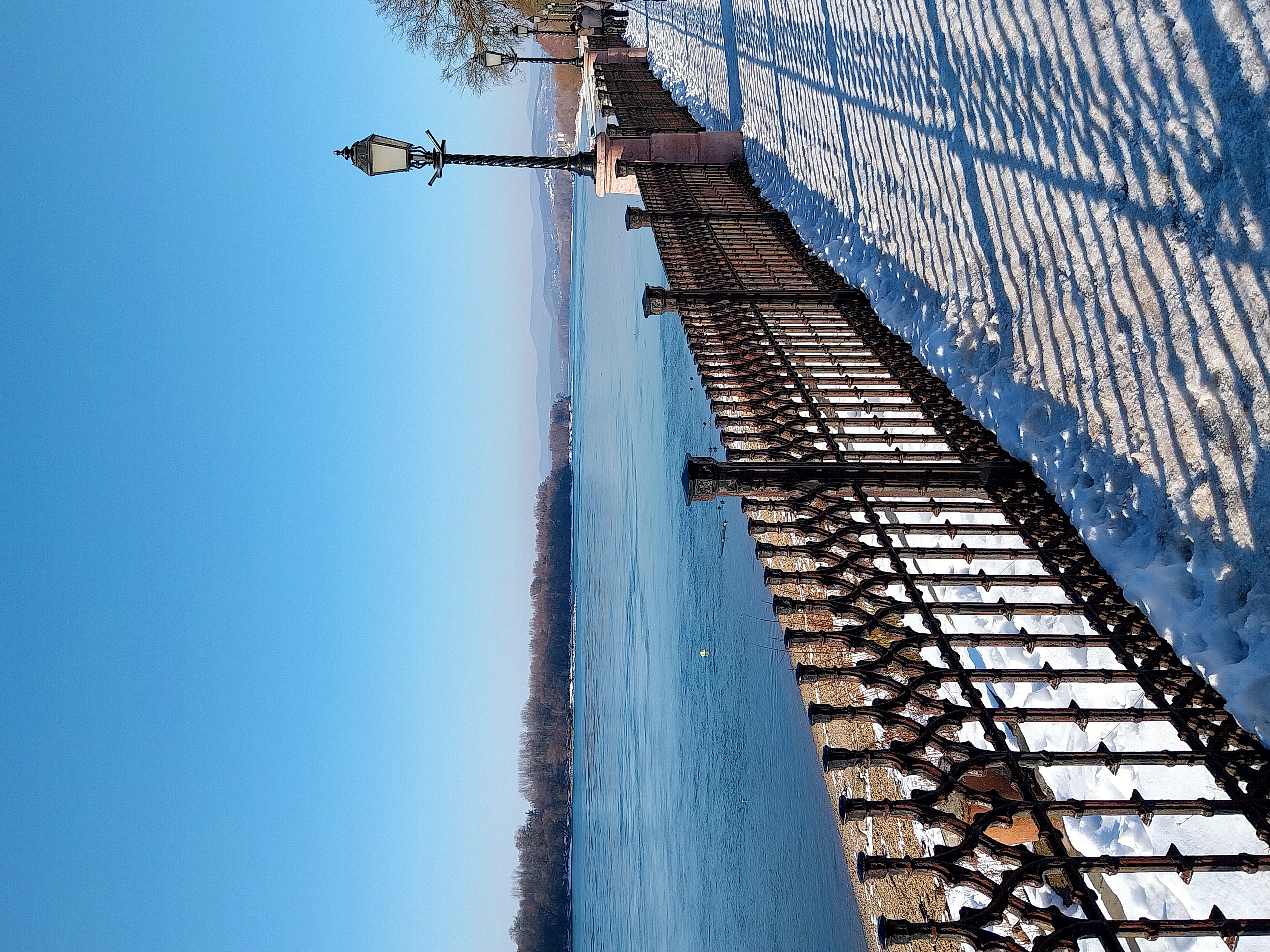
Vác is one of the few places in Hungary where the city truly embraces the river. The Danube Promenade is a wide, tree-lined walkway perfect for a long stroll. It leads you to the Gombás-patak Bridge, a rare 18th-century stone bridge decorated with six Baroque statues of saints. It is often called the "Little Charles Bridge" of Hungary. Walking along the water, you can see the Zenepavilon (Music Pavilion), a charming wrought-iron structure where the sounds of live music often drift over the water on summer afternoons, providing the perfect soundtrack to a day spent in this elegant Baroque town.