29.6 °C


For decades Budapest dreamed of tearing the Citadel down, with newspapers in the 19th century demanding its end. Instead, the fortress survived — and now stands as a symbol within a World Heritage landscape.
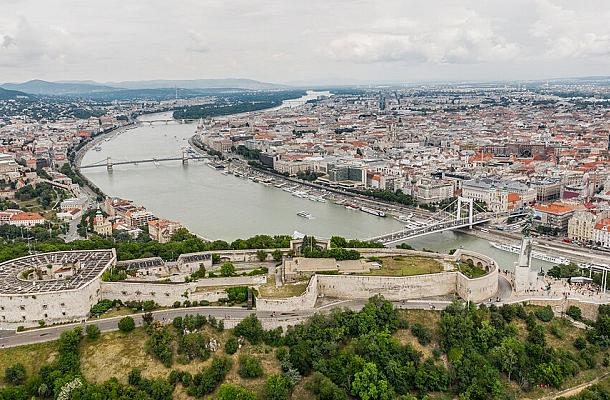
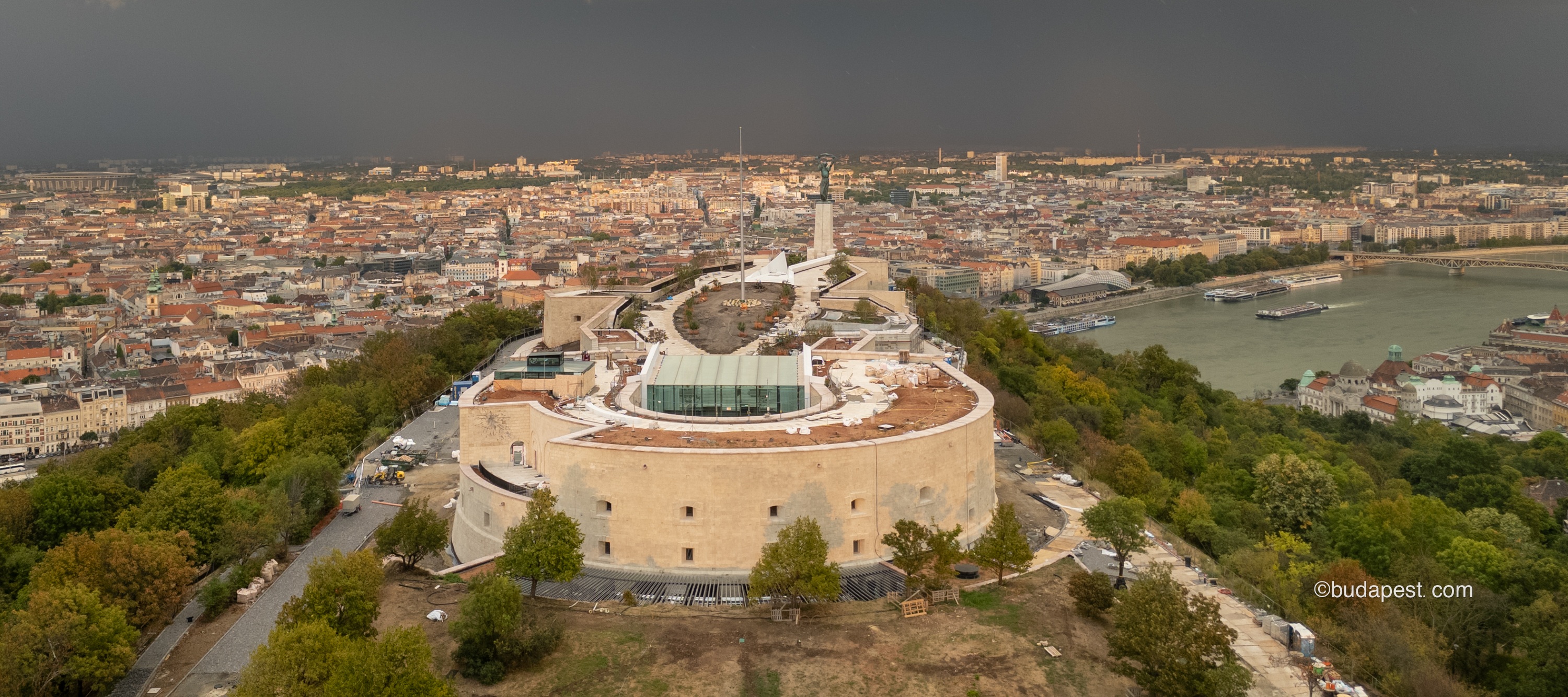
Perched on the summit of Gellért Hill, the Citadel is today a defining feature of Budapest’s skyline. Yet when it was constructed between 1850 and 1854, its presence was anything but welcome. Ordered by the Habsburg monarchy in the aftermath of the failed Hungarian War of Independence in 1848–49, the fortress was never designed to protect the capital from outside threats. Instead, its cannons pointed toward the city itself, a stark reminder of imperial power and a warning against rebellion. The long, low walls of the fortress, more akin to a heavy lid pressed onto the hill than to a picturesque castle, carried with them a message of intimidation that did not fade with time.
Throughout the second half of the 19th century, Budapest grew rapidly, with new boulevards, bridges, and monumental public buildings shaping a modern European capital. Against this backdrop of urban pride, the Citadel remained a source of irritation. Residents and city officials alike viewed it as a blemish on the skyline, a relic of subjugation that clashed with the city’s ambitions. After the Austian-Hungarian Compromise of 1967, which created the dual monarchy, its military significance declined. By the 1870s, military authorities had already reduced its strategic importance, but the army continued to occupy the site. Its very existence on the hill was enough to sour public opinion, and debates about demolishing it surfaced repeatedly.
In 1897 the city got ownership of the fortification, but soldiers were still garrisoned within its walls. Some token demolitions took place to rid the Citadel of its hostile character.
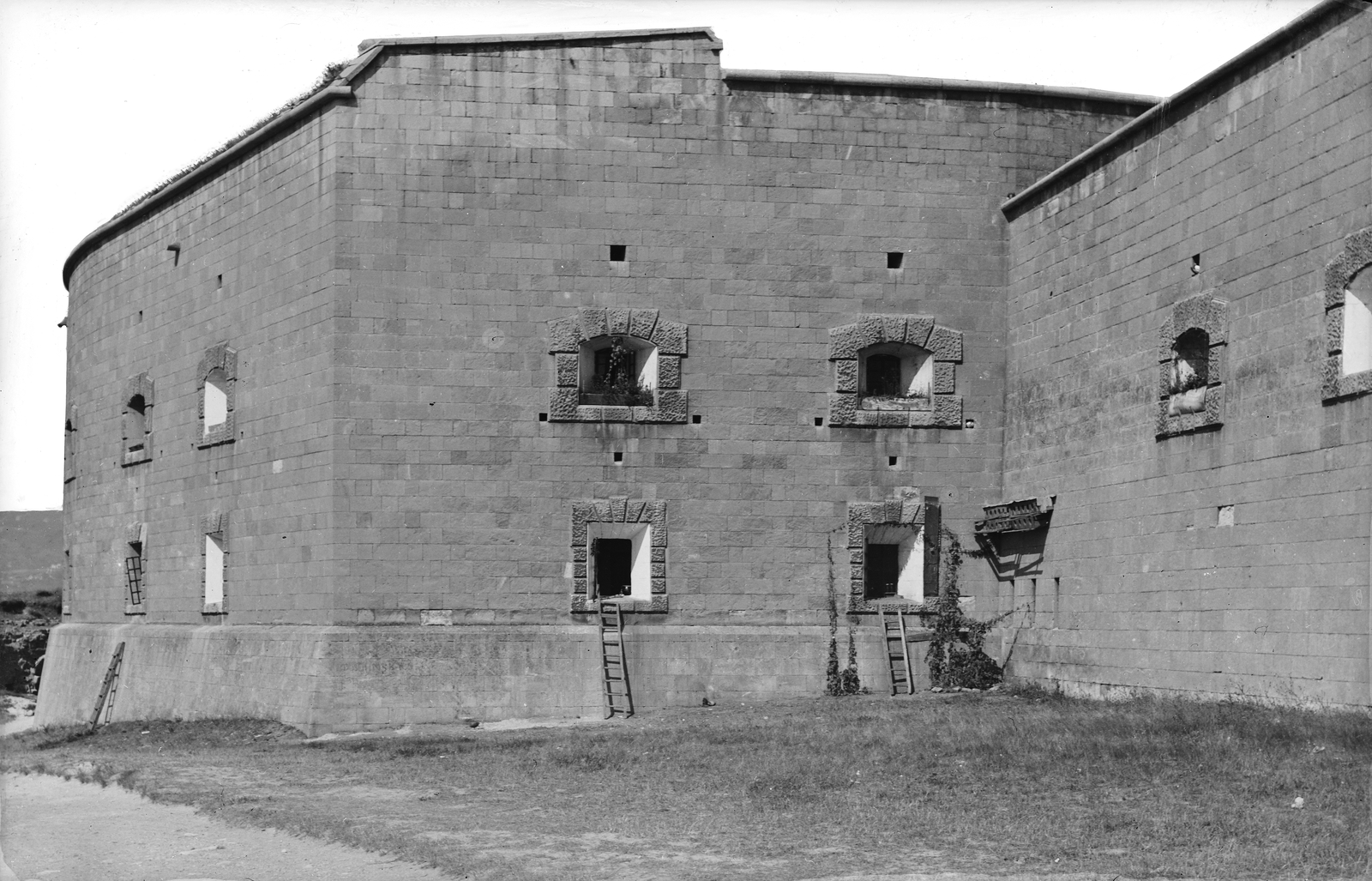 The Citadel in 1903
Image source: Fortepan 277644 / Deutsche Fotothek / Brück und Sohn
By 1898 these frustrations had boiled into the open. In August of that year, the newspaper Buda és Vidéke declared under the headline “A czitadellát nem röpítik légbe!” (or "The Citadell Will Not be Blown up") that the fortress spoiled the city’s beauty and should be removed. The article revealed that city leaders had once entertained the idea of dynamiting it—a common method for obsolete strongholds—but rejected the plan due to the danger it posed to houses below. Instead, they would auction off the rights to dismantle it. Yet by December, the same paper returned to the subject in an article titled “A czitadella lebontása,” (or The Tearing Down of the Citadel) lamenting the endless delays. The fortress had already been transferred to the city on paper, but the army remained inside until its military features were stripped away. Even the commander of the Budapest corps, Prince Lobkovitz, pressed officials to finally act. Still, the Citadel endured.
The 20th century gave the Citadel new roles. During World War II it was used as a German stronghold, enduring heavy bombardment. After the war, its association with oppression was revived when Soviet troops installed artillery there during the Hungarian Revolution of 1956, using its vantage point to fire down into the city. Despite these dark chapters, the fortress was never dismantled. Instead, it was gradually repurposed. By the 1960s and 1970s, parts of the site were opened to visitors, offering panoramic views across the Danube and the expanding city below.
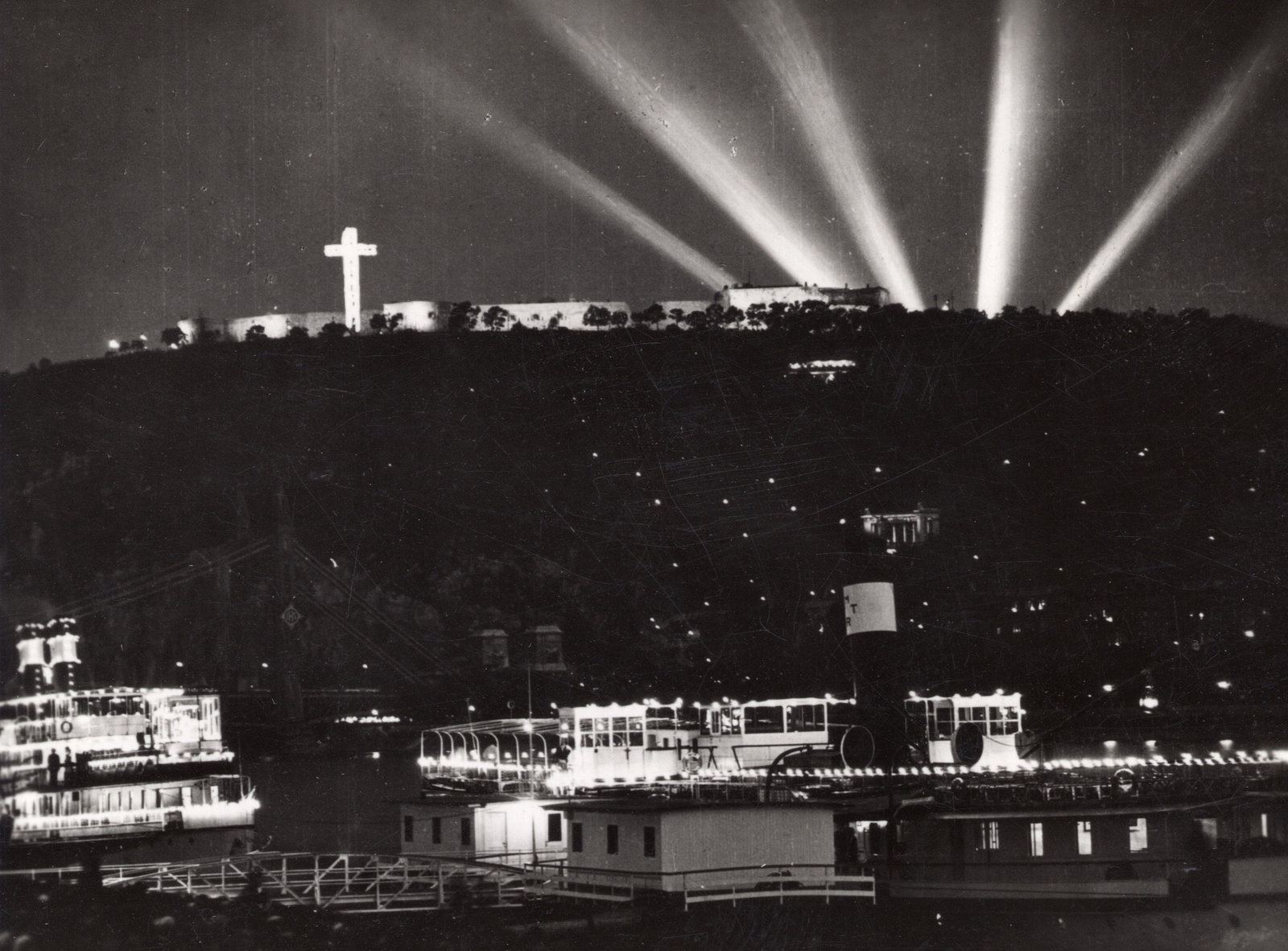 The Citadel during the 1938 Saint Stephen Memorial Year
Image source: Fortepan 131875
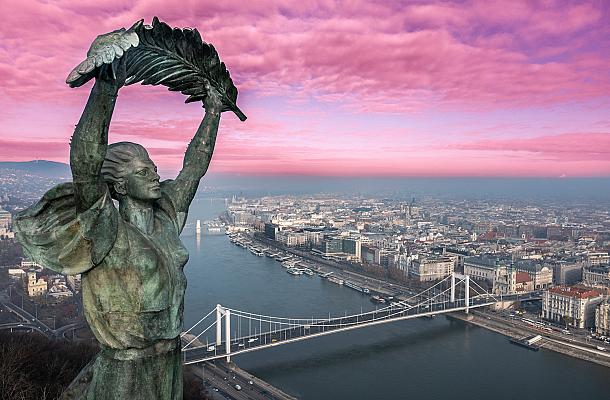
In 1947, a new monument shifted the Citadel’s meaning yet again: the Liberty Statue, originally commemorating the Soviet liberation of Hungary from Nazi rule, rose beside the fortress. Though its political symbolism has changed over the decades, the statue and the Citadel together came to define the view from the southern Danube bridges.

The Citadel in the second half of the 19th century
Image source: Fortepan 303307
Today, far from being targeted for demolition. Since 1987 the Citadel is protected as part of Budapest’s UNESCO World Heritage designation, which includes the Buda Castle District, the Danube embankments, and the panorama from Gellért Hill. The monumental fortress has stood abandoned and closed since 2014. Today the entire site is undergoing a full-scale renovation as part of the National Hauszmann Program. The plans include creating a modern green park inside the fortress, expanding green space by 50% to nearly 20,000 square meters. A 6,000-square-meter public park with a café, ice cream parlor, and gift shop will open to visitors. The Citadel is scheduled to reopen in spring 2026,featuring the new exhibition “Bastion of Freedom” inside its gun tower.
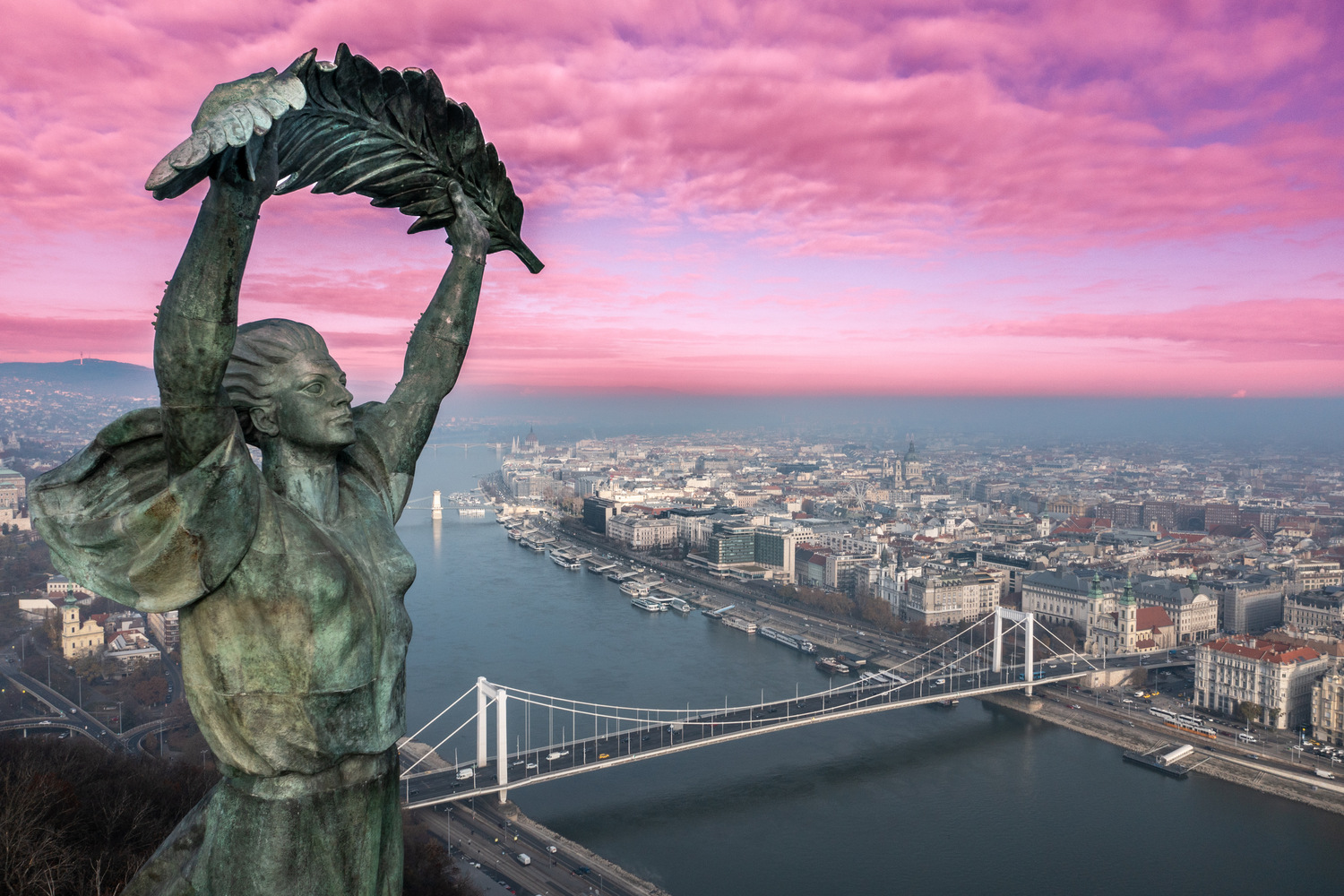
The Statue of Liberty on the Citadel with the Elizabeth Bridge in the background
The story of the Citadel is thus one of historical irony. Built as a symbol of oppression and scorned by generations who wanted it torn down—as vividly reflected in the Buda és Vidéke articles of 1898—it has outlasted those calls and become part of Budapest’s heritage. What was once a grim reminder of domination now stands as a monument both to the city’s turbulent past and to the power of time to transform meaning.