29.6 °C


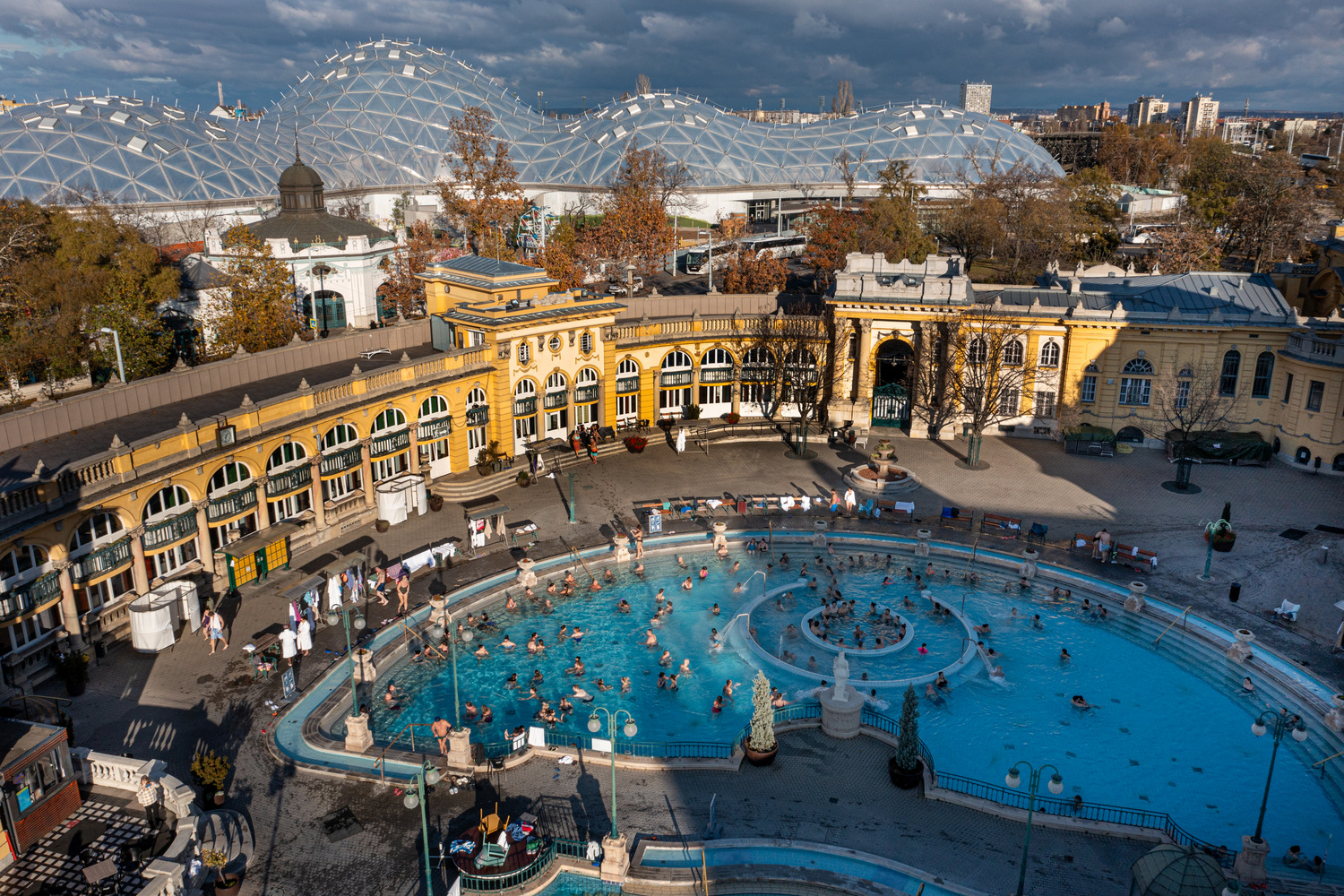
Visitors can soon witness the renewal of Budapest’s most famous bath complex, with modernization and restoration projects planned across several sections of the iconic landmark.
Surely, if you've ever watched a travel vlog about Budapest, you've seen it. The bright yellow Neo-Baroque building, the steaming outdoor pools filled with bathers even in winter, and the famous chess matches played in thermal water have become symbols of the Hungarian capital. Located in City Park, Széchenyi Thermal Bath is not only Budapest’s most famous spa but also one of the largest and most iconic thermal bath complexes in Europe, attracting well over a million visitors every year.
Now it is preparing for a significant and much needed renewal and transformation. Following approval from the Budapest Assembly, a major renovation programme is expected to begin in autumn 2026, marking the first phase of a long-term effort to modernize and preserve one of the city's gems.
The initial stage of the project is valued at more than HUF 3 billion and will focus primarily on the women’s thermal section. According to plans, the reconstruction will take approximately 12 months and will introduce modern water-treatment technology to a part of the bath that has served visitors for generations.
The technical upgrade is one of the most important elements of the programme. The thermal pools currently operate using a traditional fill-and-drain system, but they will be converted to a modern filtration and circulation system. The change is intended to improve water quality, enhance operational efficiency and ensure compliance with current regulations.
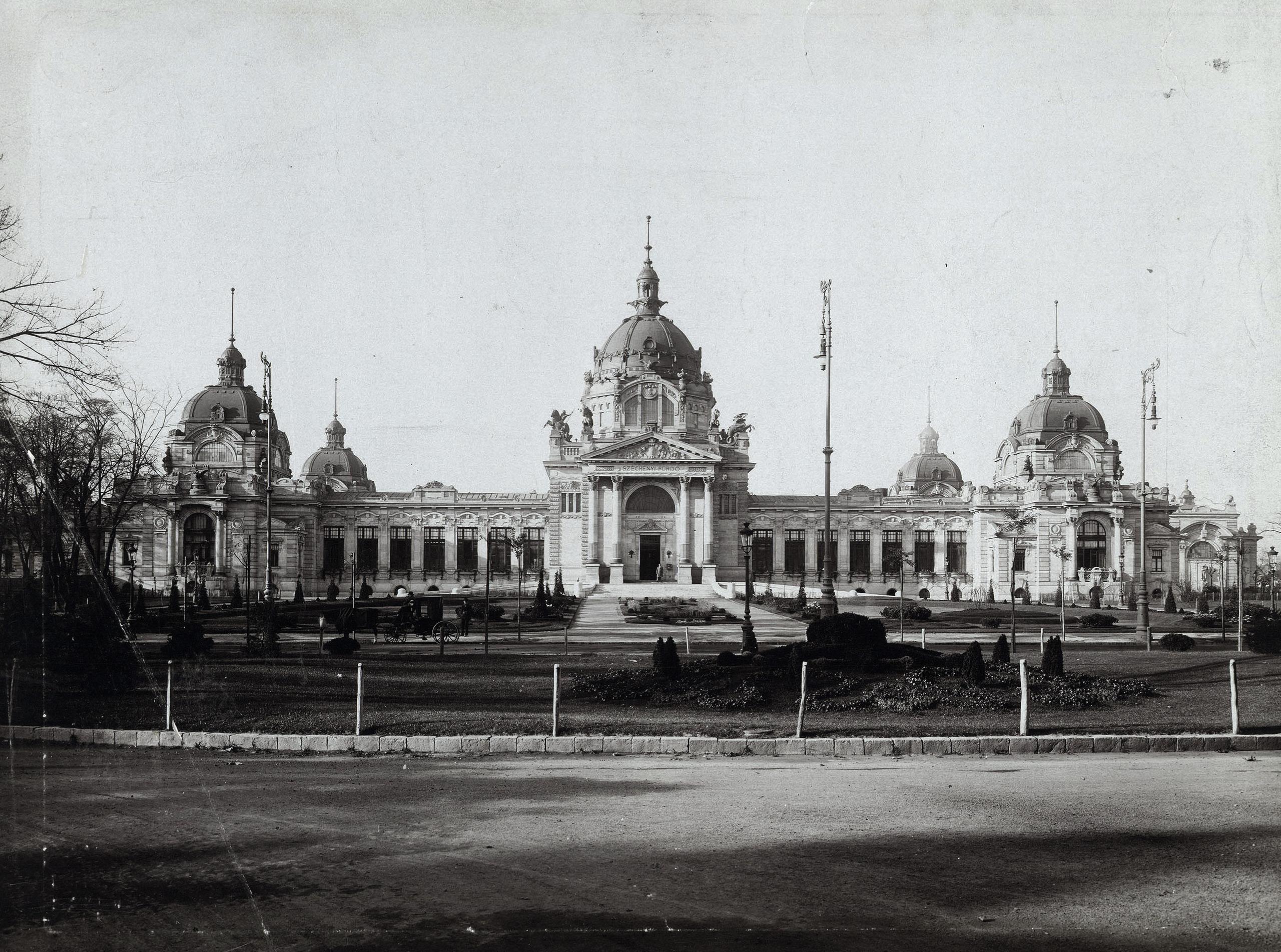
The bath complex as seen in 1913 (source: Fortepan / Budapest Főváros Levéltára. HU.BFL.XV.19.d.1.08.104)
The renovation will also include the restoration of several historic architectural features. The main staircase at the swimming pool entrance is scheduled for refurbishment, while the decorative plate-shaped fountains in the inner courtyard will also be restored. Additional works will focus on the historic artificial-stone staircases and surfaces along the cabin rows.
Another notable improvement will be the modernization of the swimming pool changing facilities. These areas will be redesigned for mixed use and upgraded to better meet contemporary visitor expectations. The changing-room project is expected to take around six months.
The works form part of a broader effort to safeguard one of Budapest’s most treasured landmarks. The history of Széchenyi Bath dates back to the late 19th century, when mining engineer Vilmos Zsigmondy proposed drilling an artesian well in City Park. Completed in 1878, the well produced thermal water at a temperature of 74.5°C from a depth of nearly 1,000 metres.
Construction of the bath itself began in 1909 based on the plans of architect Győző Czigler, and the complex officially opened on 13 June 1913. Its popularity quickly led to expansion in the 1920s, when Budapest’s first public swimming pool was added. A second thermal well, completed in 1936, tapped water from a depth of 1,240 metres and produced what was then considered Europe’s hottest thermal spring.
Today, Széchenyi remains one of Budapest’s most visited attractions. The complex operates 18 pools and welcomed approximately 1.3 million guests last year, with average daily attendance reaching around 3,500 visitors.
Officials emphasize that the upcoming works represent only the first stage of a much larger restoration programme. Further investment will be required in the coming years to ensure that the historic bath complex continues to combine its architectural heritage with the level of service expected from one of Europe’s premier thermal spa destinations.