29.6 °C


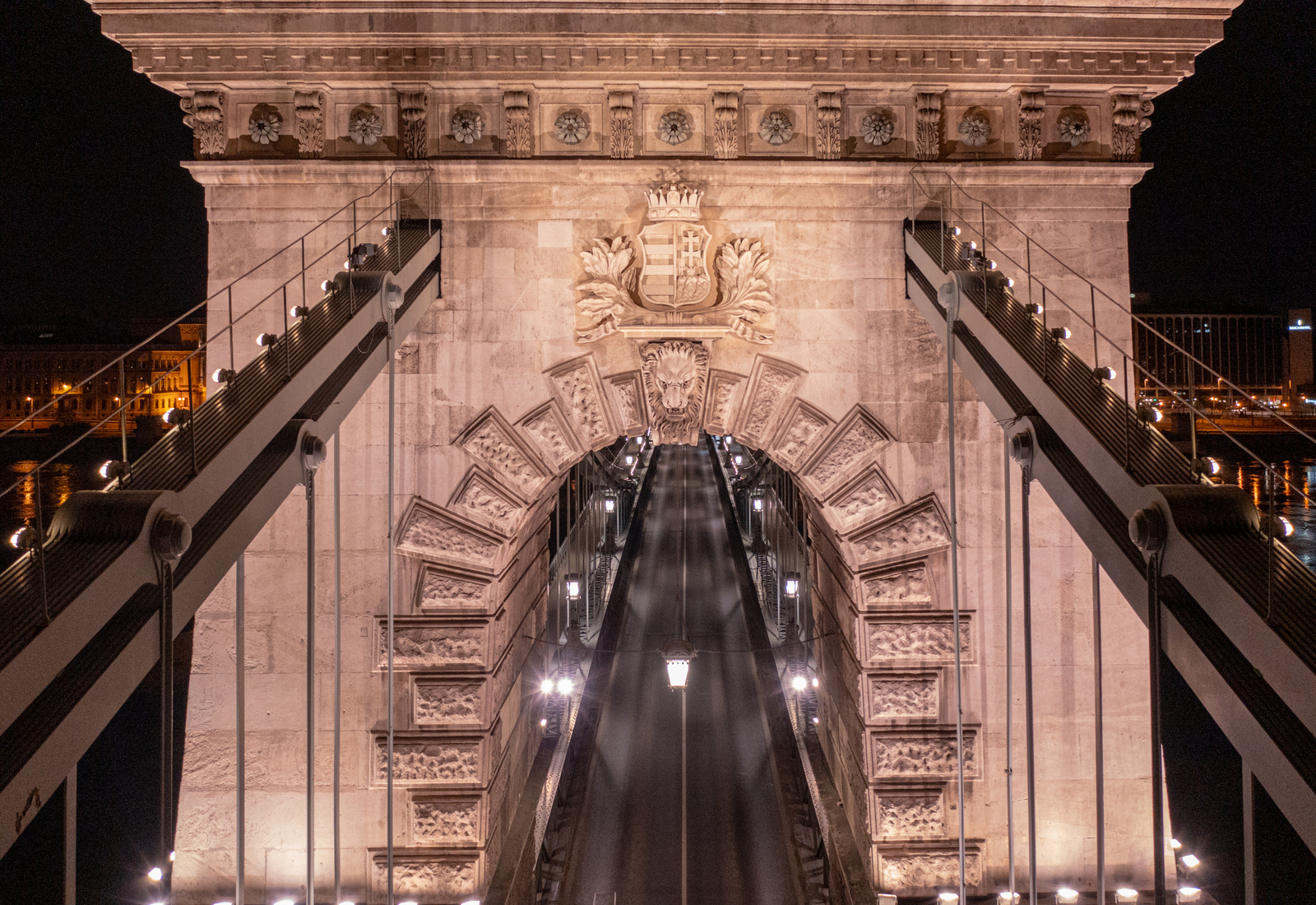
Ádám Clark's drawings were made during the construction of the Chain Bridge and will be on display in Budapest from November.
The Hungarian Museum of Technology and Transport (MMKM) has identified previously unknown 185-year-old construction drawings by Ádám Clark, made during the construction of the Chain Bridge. The drawings will be on display in the Technical Study Room from November, the museum told MTI on Thursday.
As highlighted, Ádám Clark's (1811-1866) own creations shed light on previously unknown details about the construction of the bridge. For example, the plan shows four chains, while the completed bridge has two.
According to the announcement, at the first public presentation of the drawings on Tuesday, Domonkos Schneller, director general of the Hungarian Museum of Technology and Transport, said that archival and revision work is not among the most rewarding tasks in the life of a museum, as it is a less spectacular area of museology. At the same time, there are important discoveries that can suddenly put colleagues who have been doing this work for years or decades in the spotlight.
"This current exhibition is a recognition of their work, without which Hungarian cultural history would be poorer," he emphasized.
Adam Clark's drawings have preserved the mysteries of the construction of the Chain Bridge for more than 180 years
The announcement recalled that construction of the Chain Bridge began in 1839 based on William Tierney Clark's plans, under the leadership of Ádám Clark. The foundation stone was laid in 1842, and the bridge was inaugurated in November 1849.
They emphasized that the twenty-five drawings on display were made during the construction of the capital's first bridge, meaning that they have preserved the mysteries of the Chain Bridge's construction for more than 180 years.
📣 A Lánchíd építőjének 185 éves kivitelezési rajzait azonosította a Közlekedési Múzeum. Clark Ádám saját kezű alkotásai...
Posted by Közlekedési Múzeum on Wednesday, October 15, 2025
Experts had previously believed that the original plans for the bridge had been lost, but the plans preserved in the archives were later drawn up in the 1860s, they added.
According to the information provided, in addition to spectacular depictions of the bridge piers and bridgeheads, the plans on display also reveal new details about the construction process, such as drawings showing the piling schedule and the actual piling situation, as well as drawings of the machines and other equipment used in the construction.
Piling was one of the most important phases of the bridge's foundation work. It is particularly interesting that one of the plans shows four chains per side, while only two were used on the final bridge. The chains represent the series of thick iron eyes that make up the suspension bridge's supporting structure,
they explained.
The drawings presented are also significant because they can help in the scientific study of the bridge's construction history. The history of the bridge up to 1836 was written by Gyula Viszota in 1936, while the history of the Chain Bridge after 1849 was recorded by Csaba Domonkos in 2024.
The years between 1836 and 1849, i.e. the period of construction, have not yet been studied scientifically, with only a few documents on the subject having been published, according to the announcement.
Where and when can the lost plans for the Chain Bridge be viewed?
Copies of the drawings can be viewed at the Technical Study Collection between November 1 and December 31 during the institution's opening hours, on Wednesdays and Thursdays between 10 a.m. and 5 p.m.
In addition, digital versions of the drawings will be exhibited at later events at the Customs House on the Liberty Bridge, which interested parties can find out about on the Transport Museum's Facebook page, according to the summary.
Source: MTI.hu
Photo: Hungarian Museum of Technology and Transport (MMKM) Facebook page