29.6 °C


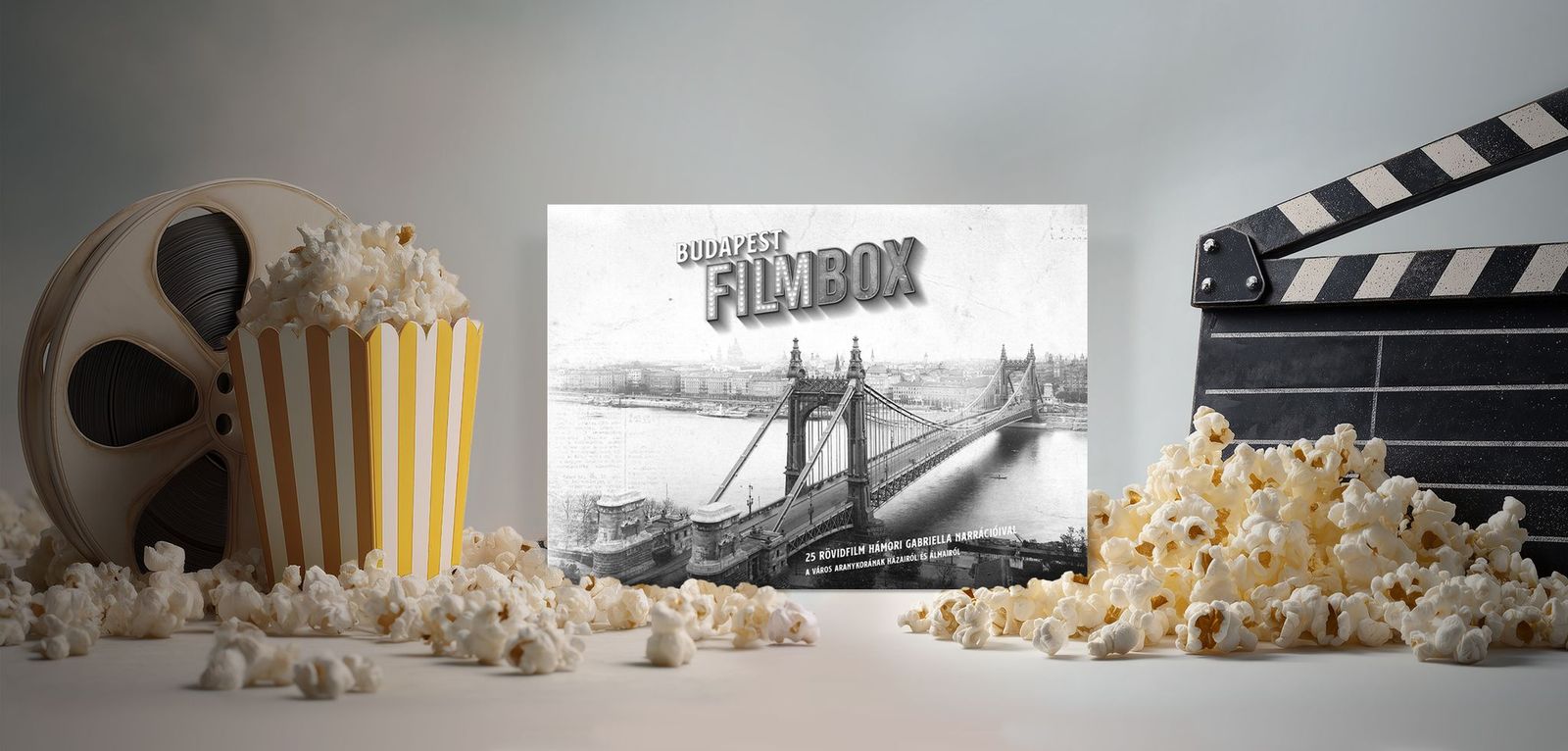
Three years of hard work brought the capital's golden age back into motion in a special, hybrid format album called Budapest Filmbox.
Short films that start automatically on the built-in display of a special, hybrid format volume present the capital's disappeared or transformed parts of the city. The twenty-five short films, each 2–4 minutes long, are based on more than 700 photographs, mostly from the Fortepan archive. The Animatiqua Studio staff brought the past to life using manual techniques, without artificial intelligence. The films were directed by András Kondacs, and the narration is provided by Gabriella Hámori and Rebecka Johnston.
An unusual cultural publication about Budapest has been published, which moves on the border between digital content consumption and traditional book publishing. Budapest Filmbox is a hybrid format that at first glance resembles a book, but when opened, it becomes a moving picture: short films that start automatically on a built-in screen guide you through the golden age of the capital, the period when the capital became a true world city. The publication consists of twenty-five films, each 2-4 minutes long, which do not offer a chronological history lesson, but a visual memory of a Budapest that has already changed significantly.
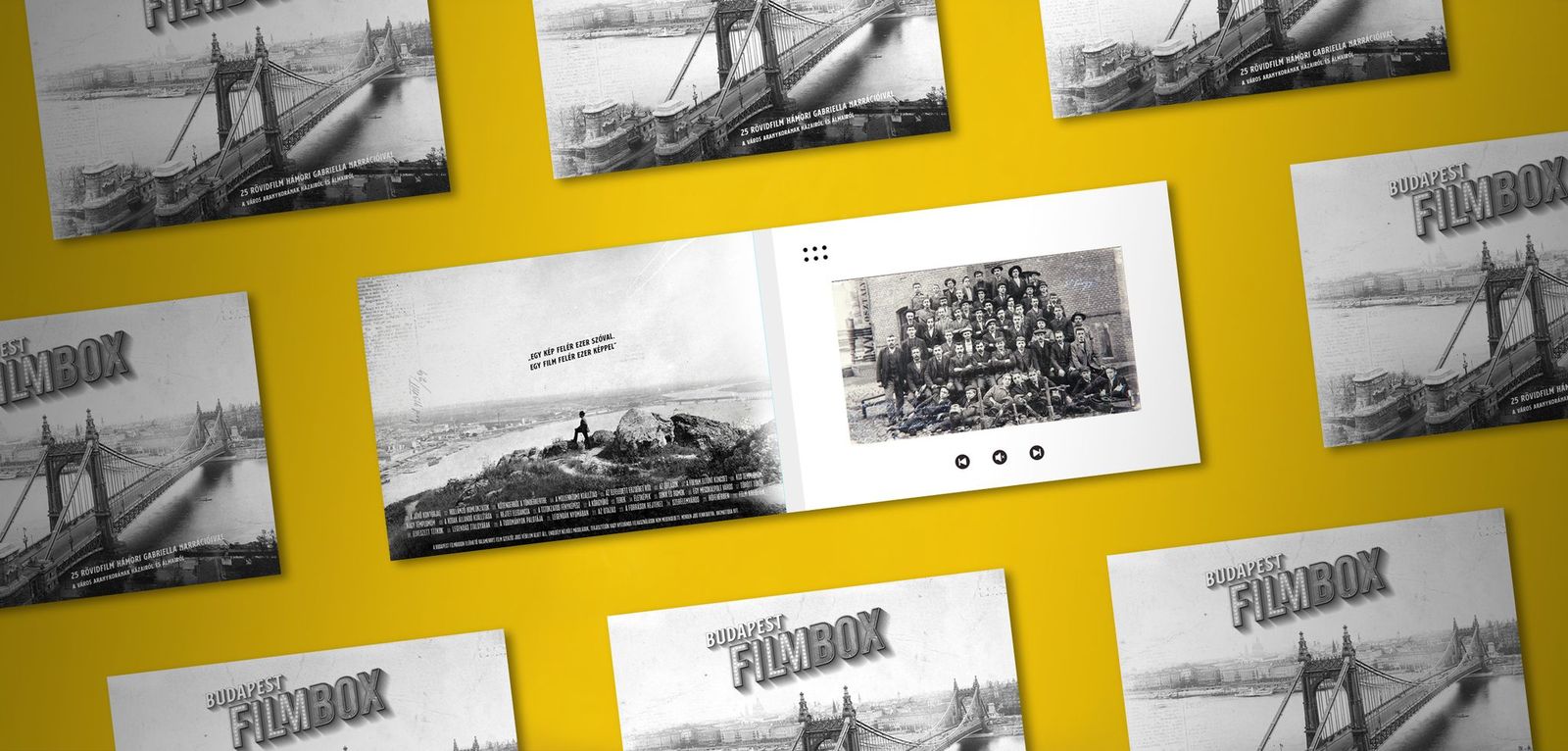
The focus of most of the 25 short films is on the disappeared and transformed parts of the city. Among the many locations and buildings presented in the series, special parts are given to, for example, the graceful structure of the old Elizabeth Bridge, the temporary pavilion city of the Millennium Exhibition, the interiors of turn-of-the-century palaces, and the domes and roof decorations that were never restored after the war damage. The films talk about the phenomenon of the “scalped city”, the traces of World War II and the 1956 revolution, but also about the flourishing industry during the Monarchy and the Budapest-Vienna rivalry. The themes of the films are organized around one big question: what the golden age meant then and what it means in today’s memory.
How can we imagine the mechanism of Budapest Filmbox? How does it work? This short video provides a clearer idea.
Archive images, human work
The short films were made using more than 700 archive photos, the vast majority of which come from the Fortepan collection. The images provide the backbone of the story: through the photos brought to life, the viewer can “enter” the former city in space and time. In order to avoid distorting our common history, Animatiqua Studio, the company behind the project, consciously avoided the use of artificial intelligence, and all elements of the visuals were created with manual work.
According to the director of the films, András Kondacs, this was not a technological issue, but a question of trust. “The idea of a mini-cinema is formally exciting, but the project actually started as urban history research,” he says. “We thought it was important not to generate false images and not to artificially replace what we don’t have a reliable source for. Historical images require human decisions, because that’s the only way to avoid the past becoming a spectacular but inaccurate illustration.”
The work was carried out by four creators over three years, with extensive research into the locations presented and meticulous animation of the images. This slow, artisanal method also determines the pace of the films: they are not in a hurry, they rather let the content of the images prevail.
When Budapest Speaks
The narration of the short films also reinforces this approach. In the Hungarian version, the voice of actresses Gabriella Hámori and Rebecka Johnston guides the viewer through, avoiding academic explanations. The goal is not to list information, but to build an emotional connection between the past and the present.
After seeing the films, Pál Mácsai, Kossuth and Mari Jászai Award-winning actor, said: “There is no such thing as a true Budapester, yet I am a true Budapester. Every picture shows the space of my life, every figure is somehow my ancestor. In these films, the fantasy world of my childhood becomes reality: the photograph moves. Old photos, modern magic: who wouldn’t want that?”
In their style and atmosphere, the short films are reminiscent of the world of the studio’s film The Birth of Budapest, which the creators made for the capital’s 150th birthday and which can be viewed here.
The album, called Budapest Filmbox, was released in an A5 version containing 25 films, as well as a smaller mini edition of 12 films.
Photos: Animatiqua