

-card.jpg)
Fisherman's Bastion, Museum of Fine Arts, Zoo and Esztergom Among Most Popular Destinations
Fisherman’s Bastion and the Zoo draw spring visitors to Budapest.
 29.6 °C
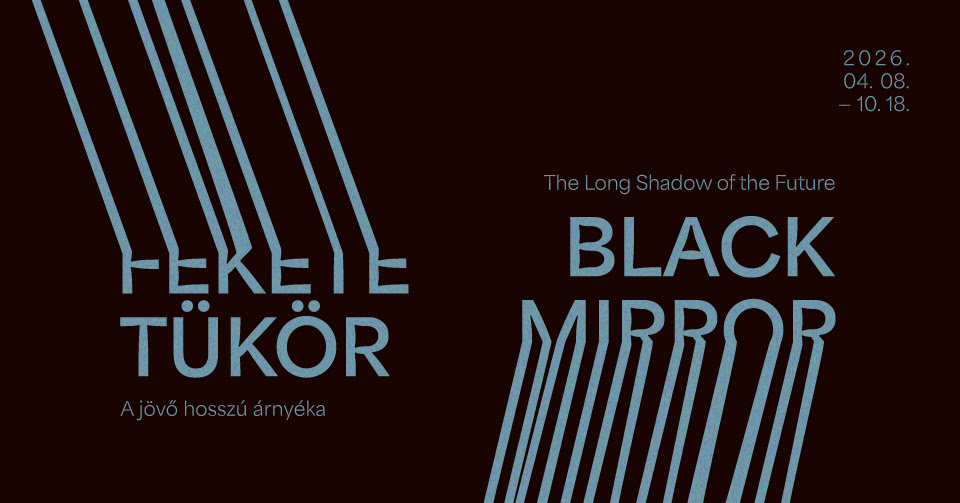
In the Ludwig Museum’s collection, which has been expanding for several decades, a well-defined unit is formed by those contemporary works that deal with imagined visions of the future. The present is interpreted – in some way – as a dystopian realization of the past. The 90 works on display in the exhibition serve as a kind of black mirror: we see not only our present in them, but also a glimpse of the future, thus helping us to understand what kind of potential future we want to avoid.
The black mirror, chosen as the title of the exhibition, has a multifaceted meaning and is simultaneously connected to the present and the past. In contemporary culture, the term primarily refers to the dark surface of switched-off digital displays. In this sense, it denotes errors, freezes or complete system shutdowns (“black death”).
Charlie Brooker’s dystopian series Black Mirror, which uses the dark screen as a metaphor for technological self-reflection, contributed greatly to its cultural spread. The origin of the term, however, dates back much further and is rooted in occult knowledge traditions.
The black mirror – typically a black-backed surface without silver lines or obsidian – functioned as a divination tool as part of magical practices. It was not only a practical instrument, but also a metaphysical medium: a symbol of the transmission of transcendent knowledge. A gateway to an alternative, non-physical reality in which images of the past, present and future can be revealed. In this context, the black mirror has become a metaphor for hidden knowledge, clairvoyance and a gateway to alternative realities. Its meaning has been enriched with new, reflexive interpretations in modern technological culture.
As the first stage of a longer-term research, the exhibition examines the works in the collection through the concept of dystopia, and includes other works by some of the artists in the collection in the exploration. The selected works, which the exhibition analyzes along various thematic paths, are related to the recent discourse, primarily in the Hungarian fine arts scene.
Source and photo: Ludwig Museum
Fisherman’s Bastion and the Zoo draw spring visitors to Budapest.
From cozy breakfasts to sunset cruises on the Danube: discover how to spend a magical date day together in romantic Budapest.
Contemporary opera, dance theater, and a concert by a jazz ensemble embarking on a farewell tour are also included in this year's program of the Bartók Spring International Art Weeks in the capital between April 1 and 12.